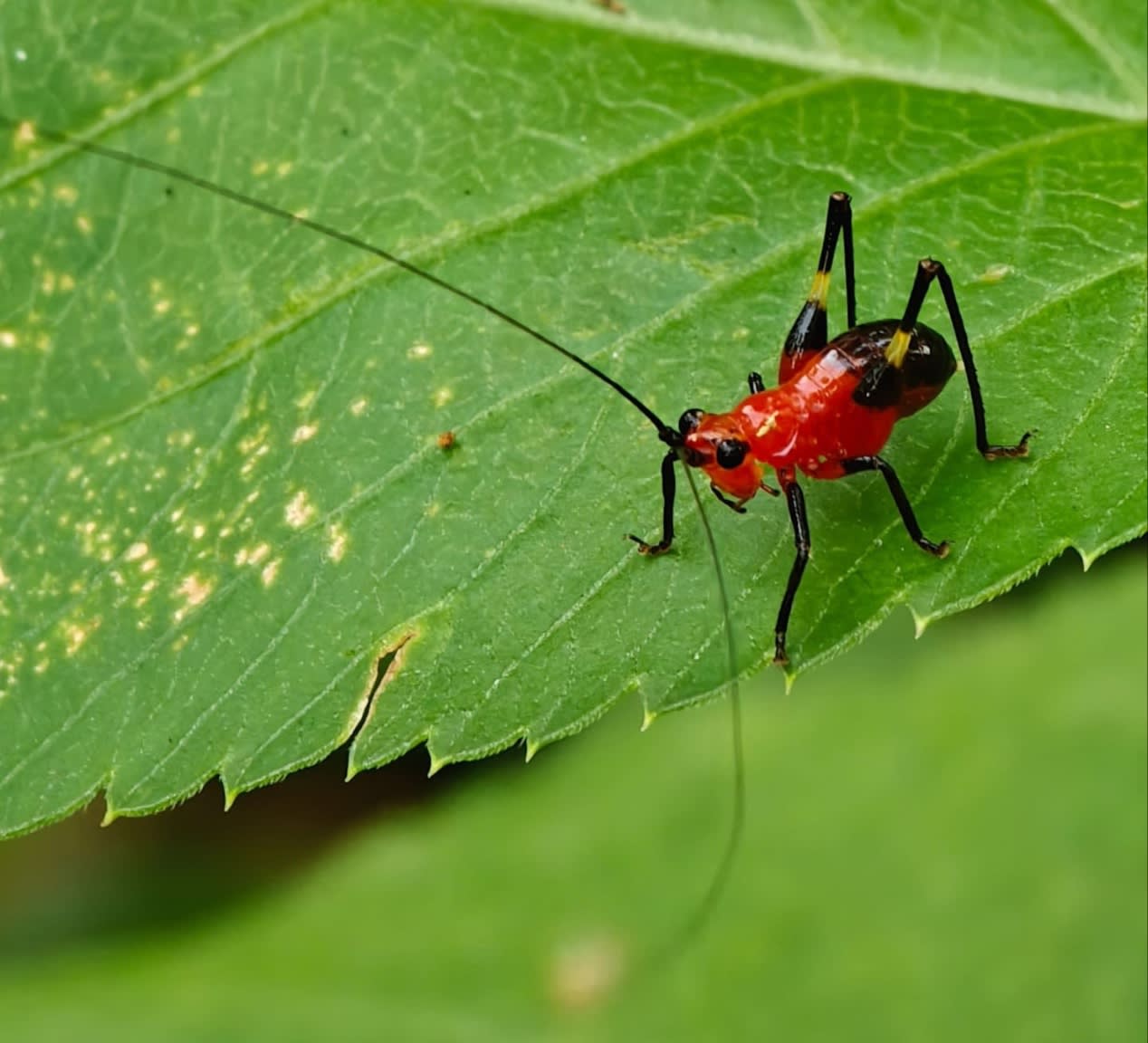
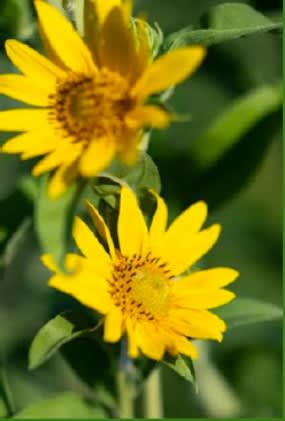
President's Corner
By Mary Ann DrawlHello to my fellow gardeners, Summer heat still lingers but fall is just around the corner. If you are planting a fall garden, now is the time to get started. Enjoy those Cole crops like broccoli, cauliflower and cabbage.
Fall is the best time to plant trees. They will have the winter months to develop roots and will have a much better opportunity to thrive when the summer heat rolls around. And you will have to do less watering.
Those of you who purchased trees from our fall sale, many thanks. We are able to continue offering community events and scholarships with our fundraising efforts.
If you are interested in becoming a master gardener, please consider our upcoming intern class starting in January. More information will be coming soon. Happy Gardening!
Mary Ann Drawl President Waller County Master Gardeners
Letter From the Editor
By Connie HolubFall is here, and it’s one of my favorite times of year to be in the garden! Fall is a wonderful time to plant, and many gardeners actually prefer it to spring. I have to admit, though—I love them both! Each season brings its own special selection of vegetables, and there’s always something new to grow and enjoy.
This month, we’re featuring beets as one of our root vegetables of the month. Beets come in some beautiful colors, and they’re surprisingly easy to grow and prepare. One of my favorite ways to enjoy them is pickled. I pickle beets every year, and they’re always a hit at our house—especially with my husband! We enjoy them with dinner quite often.
Are you dreaming of a beautiful wildflower display next spring? If so, you’ll want to check out the tips from A&M’s Adam Russell and Dr. Michael Arnold, director of The Gardens at Texas A&M University. They share some great ideas for creating a vibrant spring display that can keep on blooming well into mid-summer.
Oaks are one of my favorite trees, so I’m especially excited about this month’s featured superstar—the Mexican white oak. This is a relatively new tree to the nursery industry, and there are some great reasons to consider adding one to your backyard. Be sure to read more about what makes this oak such a wonderful landscape tree.
If salsa is a favorite at your house, you won’t want to miss our herb section featuring cilantro/coriander! We’ll show you how to grow it from seed or transplants and share some other ways you can put this versatile herb to good use in the kitchen.
And pepper lovers, we haven’t forgotten about you! Master Gardener Melissa Shewbert will be giving a presentation on pepper varieties and their levels of hotness on Thursday, October 1st, at 11:00 a.m. in the Extension Office. Be sure to check out the flyer at the end of the newsletter for all the details. It should be a hot one!
Finally, don’t forget to take a peek at this month’s recipes. There’s always something tasty to try, and you just might find a new favorite to add to your table. Happy planting—and happy fall!
Connie Holub
Waller County Master Gardener's OfficersMary Ann Drawl - President MaryAnn Miron - Vice President Kathy Nasr - Secretary Irma Canney - Treasurer Ag. and Natural Resources Agent Matthew March Waller Co. Extension Office Waller County Master Gardeners 846 6th St Hempstead, TX 77445-5402 USA (979) 826-7651 wallermgardener@gmail.com Editors: Connie Holub Ashley Aborisade
Welcome to the Waller County Master Gardeners’ monthly e-Blast keeping you up-to-date with educational programs and events going on during the month plus links to timely AgriLife Horticultural articles. All programs are supported by the Waller County Master Gardener Association through the Waller County AgriLife Extension Service. - WCMG Business Meeting----October 1st, 9:00- 10:00, Extension Office (Members only)
- WCMG Presentation—October 1st, 11:00-12:00, “Some Like it Hot” (Peppers) Speaker: Melissa Shewbert | Program is free and opened to the public.
See flyer.
- Tree Pick-up - Oct. 9th, from 5:00 to 7:00pm, & Oct. 10th, from 9:00 to 12:00am, at Community Christian Academy, 1016, 6th St., Hempstead, TX.
- Intern Graduation and Awards Banquet----January 9, 2027 at the Prairie View Community Center.
- New Intern Class is scheduled to start January 15—March 20, 2027. More information to come.
Texas A&M AgriLife Extension provides equal opportunities in its programs and employment to all persons, regardless of race, color, sex, religion, national origin, disability, age, genetic information, veteran status, sexual orientation, or gender identity. The Texas A&M University system, U.S. Department of Agriculture, and the County Commissioners Courts Cooperating.  SPEAKER NOTES: On September 3rd we will held our first SALSA-bration, and the winning team was Robyn Keyes, Johnny Lee Johnson, Kathy Nasr, and Raven Walker! Kudo’s to our Extension Agents (Matthew March, Russell Ford, Shawn Russell, Clara Cofield, and Erika Jones) who were our judges. Russell said we need to do more activities like that! Unfortunately, the salsa dancing wasn’t as HOT due to a family emergency. Keep Carolyn’s dad in your prayers as he heals! She wants to hold the event in the future, so don’t put your dancing shoes up yet! In her place, the National T-Rex Salsa Dancer, Toa-mos T-REX made a last-minute appearance to showcase his Salsa Steps.  A special Thank You to Geri Page for helping get things ready, Bonnie Kaplan who helped me make the AWESOME Salsa Recipe Cookbook, Emely for announcing, and Toa-mos’s handler-Robyn! Karen Garrett and I presented a seminar on Honey Bees and Planting Pollinators at the Magnolia Beekeepers Swarm Meeting! You can see we’ve been BEE-ZY! I discovered that the air-dry clay does NOT do well with water….even if it was super dried out! On October 1, our speaker will be Melissa Shewbert! Come learn about the Scovill Hot Peppers Scale, myths, and various types, because we learned at the Salsa-bration that SOME LIKE IT HOT!
Mary, Mary, Quite Contrary, How Does Your Garden Grow?
part 3We finally got some rain, and the butternut squash is starting it’s second round. The purple beans are drying out on the vine, the watermelons are getting huge (Yes, it’s laying on top of the arch!), the pumpkins aren’t sure what they’re doing, and the loofahs were so heavy it collapsed the arch (I guess I need more t-posts!) The tomatoes that survived got really bushy, but this heat isn’t helping them do anything else.
Kudos to Constanze Castillo for her two articles and Connie Holub’s article this week! · Don’t forget to use your MG discount code (sent in an email) to get a discount on your total order!
· Check the Sales tab for bundled price savings! The sales come in spurts, so don’t wait as there are a few things that are no longer available. I’ll continue to add sales as we wind down. Check our Waller County Master Gardener Facebook and Instagram sites for those. Thanks to Mary Ann Drawl for adding info also!
· (The sale starts closing down on September 27 with any item marked (WTF or WTF-O). The leftover items will be closed down on October 3.)
· PLEASE pass the sale information to your friends and family! If you get 5 referrals, you get a gift! Citrus can be taken out of our county if they purchase it. You also won’t beat the prices on the fertilizers! We’re still cheaper than WM and Amazon….and it’s going to a good cause!
Check out the Getting to Know You article on my Tree Sale Co-Chair Margaret Freeman!
As far as gardening goes, start getting your items ready for a fall crop. Get Your Roots in the Ground: Beets, Carrots, Garlic, Radishes, Shallots, and Turnips Try some color variations, especially with the carrots-purple ones are so pretty and yummy!
If you can’t grow down, then start Growing Up! Stay ROOTED! Till next month….. Mary Ann M.   Beets: From the Garden to the Table
By Connie Holub, Master GardenerIf you’ve never grown beets (Beta vulgaris) in your garden, you may be missing out on one of the easiest and most rewarding vegetables you can grow during the cooler months. Beets don’t take up much room, they’re fairly easy to grow, and best of all, you get more than one harvest from each plant. The colorful roots are delicious, and those beautiful beet greens are edible, too.
Beets are cool-season vegetables, so they really enjoy the milder temperatures of fall, winter, and early spring. Here in Waller County and the surrounding areas, you can plant beets from September through March. That makes them a great choice for keeping the vegetable garden producing when many of our warm-season crops have called it quits.  Finding the Right Spot Beets don't need a lot of room, so they fit nicely into just about any garden. Pick a sunny spot with loose, well-drained soil. Try to avoid soil with lots of rocks or hard clumps. Those little beet roots need room to grow, and rocks can cause them to become misshapen.
Getting the Soil Ready Beets like rich, fertile soil. Before planting, work some good compost or other organic matter into the soil. It will help improve the soil texture and help it hold moisture without becoming soggy.
A little preparation before planting can go a long way toward a good beet harvest.
Planting the Seeds Beet seeds are planted fairly shallow. Put two to three seeds in each hole, about ½ to 1 inch deep. Space the holes 4 to 6 inches apart.
Once those little seedlings pop up, don't be surprised if you have to thin them. It can be hard to pull out a perfectly good little seedling, but giving the remaining plants enough room will pay off when the roots begin to develop.
If you want a steady supply of beets, try succession planting every three weeks. Instead of planting all your seeds at once, plant a few every few weeks. This can give you fresh beets throughout the winter. In South Texas, beets can grow all winter long.  Don't Forget the Water Give your beets a good, thorough watering each week, particularly when Mother Nature isn't providing enough rain. Like most vegetables, they do best when they receive consistent moisture.
Keep the Weeds Away Beets don't ask for much, but they don't appreciate having to compete with weeds. Keep the garden bed reasonably weed-free, especially while the plants are young.
When Are They Ready? You'll usually be able to start harvesting beets in about 7 to 8 weeks. How big they get depends on the variety, but the roots can range from about the size of a golf ball to as large as a baseball.
Personally, I think there is something especially satisfying about pulling that first beet from the soil and discovering just how colorful it is!
You don't have to wait until the roots are large, either. Young beets are tender and delicious. And remember those greens—they're part of the harvest, too. You can pick a few leaves at a time from each plant and let the beet continue growing.
When you're ready to harvest the roots, leave about 2 inches of stems attached and remove the leaves. Wash the roots well and refrigerate them until you're ready to use them. The greens should also go into the refrigerator and are best eaten soon after harvesting. More Than Just a Pretty Root There are lots of ways to enjoy beets. The roots can be juiced, pickled, roasted, cooked, or eaten raw.
And don't toss those greens! Beet greens are packed with nutrients and can be used in many of the same ways you would use spinach or other leafy greens. Try them raw in a salad, add them to vegetable soup, steam them like spinach, or sauté them with a little olive oil, garlic, and red pepper flakes. You can even thinly slice the leaves and bake them into a crunchy snack.
In other words, when you plant a beet seed, you're getting a root vegetable and a leafy green vegetable from the same plant. That's a pretty good bargain for the space it takes up in the garden! A Few Varieties to Try There are many beet varieties available, and each has its own personality. Here are a few that I especially recommend.
Bull's Blood is an heirloom beet that was first listed in English seed catalogues in the 1840s. It has striking, purplish-red foliage, deep red roots, and a sweet flavor. It is an excellent beet for pickling, and the leaves are particularly good to eat.
Chioggia, sometimes called Bassano, is an heirloom beet from Chioggia, Italy. This one is a real showstopper. Cut it in half and you'll find beautiful red or pink and white concentric rings inside.
It is a very pretty beet, and one I've planted many times. Just remember that the beautiful colors tend to blend together when Chioggia is cooked or canned.
Detroit Dark Red is an heirloom variety recommended by Texas A&M AgriLife for South Texas. It is also a beet I've planted for many years, and it's a dependable old favorite.
Ruby Queen is a classic open-pollinated variety with round, smooth-skinned, deep-red roots. The roots are exceptionally tender and have a rich, earthy flavor. They also perform well in poor soils. Ruby Queen is another variety recommended by Texas A&M AgriLife.
Pacemaker II is a hybrid variety recommended by Texas A&M AgriLife Extension. It is known for its deep-red color, resistance to bolting, excellent flavor, and crisp texture. It is also hardy in South Texas.  Yellow Beets If you want to try something different, yellow beets are a delicious choice. Two golden varieties are sure to get rave reviews—not only for their beautiful color but also for their sweet, mellow flavor.
Wintersonne (Winter Sun) is a globe-shaped beet with burnt-orange skin and yellow and cloudy-white concentric rings on the inside. Its striking appearance makes it a standout addition to any dish.
Golden is a gilded beet with sweet flesh and dense nutrition. It’s an excellent choice for young children and first-time beet eaters because it has a mellow flavor and is less earthy-tasting than traditional red beets. Its yellow stemmed greens are excellent for stir fries, steaming and soups. Yellow beets are wonderfully versatile. Enjoy them raw, roasted, juiced, or prepared in many other ways.
Give Beets a Chance If you've never grown beets, I encourage you to give them a try. They don't demand much space, they aren't difficult to grow, and they give you both delicious roots and nutritious greens.
What's not to like?
For me, one of the best things about gardening is walking outside and picking something fresh for the kitchen. Beets make that especially satisfying because you can enjoy the tender greens along the way and later dig up those colorful roots you've been waiting for.
So, when you're planning your fall garden this year, tuck a few beet seeds into the soil. Give them some sunshine, good soil, water, and a little attention, and before long you'll be pulling your own fresh beets from the garden.
From garden to table, beets truly are a vegetable that keeps on giving.
Resources: EHT-050.pdf 
Beet and Butternut Squash Roasted Salad Ingredients § 3 cups butternut squash peeled and cubed § 6 medium beets peeled and cubed § 1 cup pecans chopped § 1 cup balsamic vinegar § 2 Tablespoons maple syrup § 3 cups arugula § 1/3 cup goat cheese crumbled Instructions 1. Preheat oven to 400 degrees. 2. On a foil-lined baking sheet, spread the squash and beets in a single layer. Bake in the oven for 20-25 minutes or until the squash and beets are soft. 3. On a separate baking sheet, spread the chopped pecans and bake for 3-4 minutes or until fragrant. Take care not to burn. 4. While the squash and beets are roasting in the oven, in a small saucepan begin to heat the balsamic vinegar and maple syrup together. Stir frequently and bring to a slight simmer to reduce. 5. Fill a large bowl with the arugula, place the roasted squash and beets on top of the arugula, drizzle with the balsamic reduction. Top with the toasted pecans and goat cheese. Serve warm. Servings: 6----1.5 cup servings  Kale: A Hardy Favorite for the Gulf Coast Garden
By Connie Holub - Master GardenerKale (Brassica oleracea) is one of the hardiest members of the cabbage family—and a great vegetable for the Gulf Coast garden. It thrives in cool weather and often develops a sweeter, more flavorful taste after a light frost.
Kale originated in the eastern Mediterranean and Asia Minor and was later spread throughout Europe by the ancient Romans. Because of its ability to tolerate cold weather, kale became particularly well suited to the cooler climates of Northern Europe.
For beginning gardeners, kale is an especially rewarding crop. Once established, it requires relatively little care and tolerates a wide range of cool temperatures. In the Gulf Coast region of Texas, kale grows well from late fall through early spring. Depending on the cultivar and growing conditions, mature plants can tolerate temperatures in the single digits and generally continue to grow well until temperatures remain in the mid-80s°F for an extended period. Cold tolerance can vary with the cultivar, plant maturity, acclimation, wind, moisture, and the duration of the cold spell.
Caring for Kale Although kale is an easy-care vegetable, healthy plants still need adequate sunlight, moisture, nutrients, and protection from pests.
Common kale pests in Texas include aphids, armyworms, cabbage loopers, diamondback moths, and whiteflies.
Regularly inspecting plants can help gardeners spot pest problems early, when they are generally easier to manage.
A Kale for Every Garden Kale comes in a variety of shapes, textures, and colors, making it both a productive vegetable and an attractive addition to the garden. Leaves can range from light green to deep violet.
Kale varieties are commonly grouped by leaf type: · Curly leaf — includes Scots kale and blue curled kale. · Bumpy leaf — includes black cabbage, Tuscan cabbage, Tuscan kale, and dinosaur kale. · Sparkly leaf — characterized by its distinctive textured appearance. · Plain leaf — includes flat-leaf varieties such as Red Russian and White Russian kale. · Leaf-and-spear or feathery leaf — combines characteristics of curly- and plain-leaf kales. 
A Cool-Season Standout For Gulf Coast gardeners, kale is a dependable cool-season crop that can provide fresh, nutritious leaves from fall through spring. Its cold tolerance, relatively simple care, and variety of attractive forms make it an excellent choice for both beginning and experienced gardeners.
If you're looking for a vegetable that can handle the Gulf Coast's winter weather and keep producing when many warm-season crops have finished, give kale a place in your garden.
Leaf-Footed Bugs and Their Predators
By Connie Holub - Master GardenerLeaf-footed bugs (family Coreidae) manage to find their way into my garden—and probably yours too—every spring. They’re the bugs you see on your tomatoes, peppers, beans, peas, and sunflowers, often recognized by the flattened, leaf-like expansion on their hind legs.
These insects use their piercing-sucking mouthparts to feed on plant juices. When disturbed, they will fly away and release an unpleasant odor.
If you see a small group of red- or orange-bodied bugs with black markings huddled together on your tomato plants, you are probably looking at leaf-footed bug nymphs. These immature bugs are especially worth targeting because they are easier to control than the adults and tend to huddle together in groups.
Signs of Leaf-Footed Bug Damage You may notice several signs when leaf-footed bugs are feeding on your plants, including yellowing leaves, bleached or discolored spots, sunken areas, or damaged areas on developing fruit. Their feeding can sometimes contribute to fruit drop or secondary problems such as rot.
Management There are several ways to manage leaf-footed bugs without using chemicals: - Handpick the bugs and drop them into a cup of soapy water.
- Knock them from the plant into soapy water.
- Use a shop vacuum to remove them from plants and fruit.
- During the winter months, remove weeds and piles of plant debris that can provide shelter.
Focus your efforts on the nymphs. They are much easier to control than the adults, and because they often huddle together, you can remove many of them at once. But before you start removing every bug you see, take a closer look. Some insects in your garden may actually be helping you. 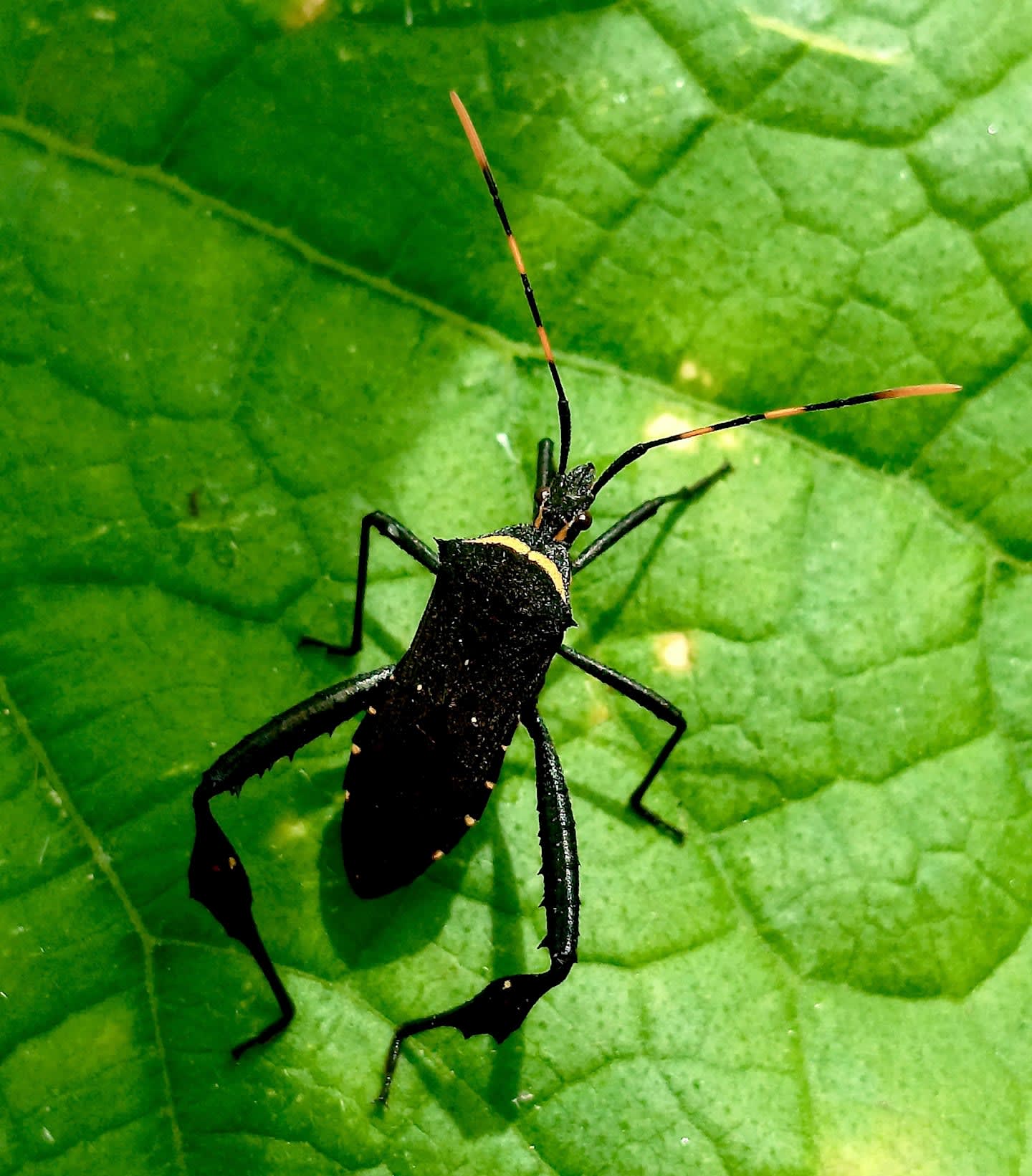 Leaf-footed Nymph (Photo by Huy Nguyen) Assassin Bug (Photo by Igud Supain)
The Assassin Bug: A Beneficial Predator Assassin bugs (family Reduviidae) are beneficial predators that hunt a wide variety of insects, including leaf-footed bugs.
An assassin bug captures its prey with its piercing mouthparts, injects digestive enzymes, and then sucks up the liquefied contents.
In other words, the assassin bug can be an important ally in the garden.
Identifying the Predator One of the easiest ways to distinguish a leaf-footed bug from an assassin bug is to look at the legs.
The hind legs of many leaf-footed bugs have the characteristic flattened, leaf-like expansions. Assassin bugs generally have plain hind legs, while their front legs are adapted for grasping and holding prey.
So, before you reach for the soapy water, take a second look.
In the garden, not every bug is a pest—and some of the insects that look intimidating are actually working in your favor. In the case of the leaf-footed bug, the “Assassin” is our friend.
Cilantro/Coriander
By Connie Holub - Master GardenerCilantro (Coriandrum sativum) is an easy-to-grow herb and a perfect choice for fall gardening. Originally from the Mediterranean region, cilantro is widely used in Mexican, Thai, and many other cuisines.
The fresh leaves are commonly used in salads, salsa, and meat dishes. The seeds are known as coriander and have a distinct citrusy, orange-like flavor. Coriander seeds are used in pastries, sausage, pickling spices, cooked fruit dishes, and curry powder.  Soil Preparation Cilantro prefers a light, well-drained, moderately fertile sandy soil, but it will tolerate almost any soil as long as moisture is properly managed and nutrients are available. Incorporating compost into the soil before planting can help improve drainage and fertility.
Temperature Cilantro is a cool-season crop that grows best in temperatures between 50°F and 85°F. It can tolerate cooler temperatures, but plants may bolt when temperatures rise above 85°F.
In Texas, cilantro is generally best planted in September for a fall harvest and in February for a spring harvest.
Planting Plant cilantro seeds in soft, well-tilled, compost-enriched soil. Sow seeds about 2 inches apart in rows spaced 12 to 15 inches apart. Plant seeds approximately ¼ to ½ inch deep and keep the soil evenly moist during germination.
Watering Water regularly while the seeds are germinating. Once the plants are established, cilantro requires less frequent watering. Allow the soil to dry slightly between waterings, but avoid letting the plants become severely dry.
Pollinators When cilantro flowers, its small blossoms attract beneficial insects such as bees, butterflies, and other pollinators. The flowers are also edible.
After flowering, the plant produces coriander seeds. The seeds can be sprinkled on salads or used with chicken and other dishes to add a warm, citrusy flavor. Coriander is also an important ingredient in many Southwestern, Mexican, and Asian-inspired dishes. Vegetables · Leafy Greens: kale, collards, Swiss chard, mustard greens and spinach · Brassicas: Broccoli, cauliflower, cabbage, and Brussel sprouts · Root crops: beets, carrots, radishes and turnips · Others: green peas,
Herbs · Cilantro, dill, fennel, parsley,
Flowers · Calendula, nasturtium, chrysanthemums, and roses
Tips to plant wildflowers this fall for a beautiful spring Expert advice on timing, seed mixes and care for lasting blooms
by Adam Russell If you want a yard filled with bluebonnets, coreopsis, sunflowers and other Texas wildflowers next spring, fall is the perfect time to plant seeds. Michael Arnold, Ph.D., director of The Gardens at Texas A&M University and professor of landscape horticulture in the Texas A&M College of Agriculture and Life Sciences Department of Horticultural Sciences, says patience is key.
“Planting wildflowers is all about delayed gratification,” Arnold said. “You won’t see immediate results, but planting in September, October or early November gives the wildflowers time to establish before winter dormancy. The farther north you are in Texas, the earlier in the season you should plant.”
Plan for continuous blooms from spring to summer To enjoy a vibrant display of Texas wildflowers from spring through midsummer, Arnold suggests planting strategically:to get the latest research, events and n - Mix annuals and perennials. Annuals bloom quickly in the first year, while perennials bloom better in the second or third year. Together, they create a seed bank that ensures color year after year.
- Plan a sequence of blooms. For early spring, try bluebonnets, tickseed and Indian paintbrushes. Then add evening primrose, Mexican hat and coreopsis for late spring to midsummer. Hardy sunflowers extend summer color even further.
- Choose a regional seed mix. Use wildflower blends designed for your part of Texas. You can buy them online or at local nurseries that specialize in regional seed mixes.
Choose the right spot for wildflowers Wildflowers peak from late winter through midsummer. So, Arnold encourages you to think about where you will want that burst of color.  For the best wildflower display, follow some tips from Arnold: - Plant in full sun with at least six hours of sunlight daily.
- Use well-draining soil.
- Plant along garden edges or in naturalized areas to create a lasting landscape feature.
- Protect your seed bank. Avoid mowing or cutting wildflowers too soon, so seeds can replenish for next year’s blooms.
Prepare soil and scatter seeds Successful wildflower planting starts with proper soil preparation and seeding. Arnold’s tips for best results: - Loosen soil in existing beds or clear and till new areas.
- Scatter seeds evenly and gently press them into the soil to ensure good contact, but don’t bury them entirely.
- Ensure seeds get plenty of sun exposure.
Water wildflowers for a strong start Water newly planted seeds to get them started, but don’t overwater.
“If Mother Nature doesn’t provide enough rainfall to keep the soil moist, you might need to step in with water,” Arnold said. “You want the seeds to have plenty of moisture to begin with, and as the seedlings are germinating.”
Once rooted, most Texas wildflowers require little care. With a little planning and planting this fall, you’ll enjoy a colorful display of blooms for years to come. 
Wildflowers provide a springtime splash of color to landscapes. Establish your own patch of wildflowers around your home that will come back year after year by planting seeds this fall. (Laura McKenzie, Michael Miller/Texas A&M AgriLife) Mexican White Oak Native tree offers aesthetics, Texas-toughness for all conditions by Adam Russel Mexican white oak, also known as Coahuila oak, Mexican oak, Monterrey oak, Monterrey white oak or net-leaf white oak, performs as a handsome shade, street or park tree across the state, said Mike Arnold, Ph.D., Texas A&M AgriLife Research horticulturist and Texas Superstar executive board member, Bryan-College Station.
The tree is a relative newcomer to the Texas nursery trade, but it has proven to be a great addition as a shade tree because it can tolerate hot, dry, windy conditions, he said.
With a unique blend of adaptability and beauty, this shade tree swiftly earned its place as a Texas Superstar plant, captivating both homeowners and landscaping professionals in the field.
Plant explorers found tree populations in Val Verde County in the 1990s, so both Texas and Mexico can claim the Mexican white oak as a native, Arnold said.
Its foliage, marked by an array of variable lobes, casts a canopy of green and hues of blue. In its youthful stages, this oak showcases an upright oval form before maturing into a medium-sized tree that’s perfect for shading streets, parks and gardens.
The tree’s rich, dense canopy is tardily deciduous in colder parts of its range to semi-evergreen in warmer areas, he said. Mexican white oak persists through the harshest of conditions, braving the sweltering Texas heat as well as winter temperature fluctuations.
“The Mexican white oak’s performance during winters of U.S. Department of Agriculture zone 7 and warmer portions of zone 6 have been impressive,” Arnold said. “It is rapidly becoming a welcome addition to the Texas plant palette.”
To be designated a Texas Superstar, a plant must perform well for growers throughout the state. Texas Superstars must also be easy to propagate, ensuring the plants are widely available and reasonably priced.  Mexican white oak leaves. The tree is an excellent mid-sized shade tree for locations across the state. Photo by Michael Miller, Texas A&M AgriLife Mexican white oak has it all Mexican white oak trees perform best in full sun and soils with good drainage. Trees appear to endure open exposures, even those with reflected heat, minimal irrigation and windy locations. Salinity exposure has not been fully documented, but the trees tolerate a wide range of soil pH and exposure to at least moderate salinity, as long as irrigation is applied via drip rather than overhead.
Typically, trees mature to a height of 35-45 feet but can grow to as much as 60 feet tall on more favorable sites, he said. They provide a well-proportioned canopy around single and double story structures, and with a spread typically two-thirds to equal its height, they offer a perfect blend of shade and aesthetic appeal.
Not only is the Mexican white oak a visual delight, but it’s also a boon for nature, Arnold said. It aids in soil stabilization and offers a bountiful supply of acorns to sustain wildlife populations in the fall.
As a hardy deciduous to semi-evergreen woody perennial, the Mexican white oak flaunts its beauty through the seasons, he added. Planting opportunities vary from fall in warmer regions to early spring and summer in cooler locations.
Despite its relatively recent introduction to the horticultural stage, the Mexican white oak has swiftly gained favor for its steadfastness in the face of environmental challenges, Arnold said.
Trees also appear to tolerate humid climates with minimal foliar diseases, something seldom seen in xeric climate plants when moved to higher rainfall regions of the upper Gulf Coast.
Widespread planting of the tree has only occurred over the past two decades, which is a somewhat limited window for a long-lived tree. But its ability to endure environmental fluctuations during that time underscores its potential as a valued landscape addition to the South-Central U.S., notably in Texas.
Arnold said the Mexican white oak’s semi-evergreen nature, canopy shapes and foliar coloration is variable among genotypes, which makes the tree an interesting species for continued trials and breeding potential to improve cultivars.
At this time, relative susceptibility of Mexican white oak to oak wilt has not fully been documented, so Arnold recommends using soils where oak wilt has not been shown to be a problem.
“In a world where landscaping choices are more important than ever, the Mexican white oak stands as a symbol of resilience, adaptability and natural elegance — a true ‘superstar’ in the diverse tapestry of Texas flora,” Arnold said.  Photo by Michael Miller, Texas A&M AgriLife Mexican white oaks on the Texas A&M University campus.
 Name: Margaret Freeman Co-Chairman of the ’26 Tree Sale
What year did you do your Intern Class? 2025
Profession: Retired college professor
Have you always been interested in gardening? Yes
Favorite Plant & Why: Gladiolas, because my mom used to grow them and send me to school with a bouquet for my teachers in elementary school.
Least Favorite Plant & Why: Yaupon. It is like a weed to me and hard to get rid of.
Recommend a book, Blogger, Series, etc.: Andrea Burke’s -A Bit of Earth
Biggest Garden Challenge(s): Shade gardening - finding plants that work well
Biggest Garden Challenge(s): Shade gardening - finding plants that work well
Proud Accomplishment: Growing zinnias from seeds this year
Garden Tip: Plant more seeds rather than buying plants. Go native plants!!!
Garden Quote or Motto: Never delay weeding.
Leadership Motto: “Real leadership is leaders recognizing that they serve the people that they lead.”
Leadership Strength: Creative problem solving
Pet Peeve: Illogical people or illogical responses
Frustrating Garden Moment: Planting frog fruit that didn’t make it!
Favorite WCMG Activity, Event, and/or Speaker- Abbe from the Naturalist program and the painting class
Family-My niece and her husband and 2 daughters in Seguin on 10 acres. Three close friends (like family) Animals: 5 horses, 1 barn cat and 3 dogs
Garden Advice to Others- Keep trying and plant what makes you smile. 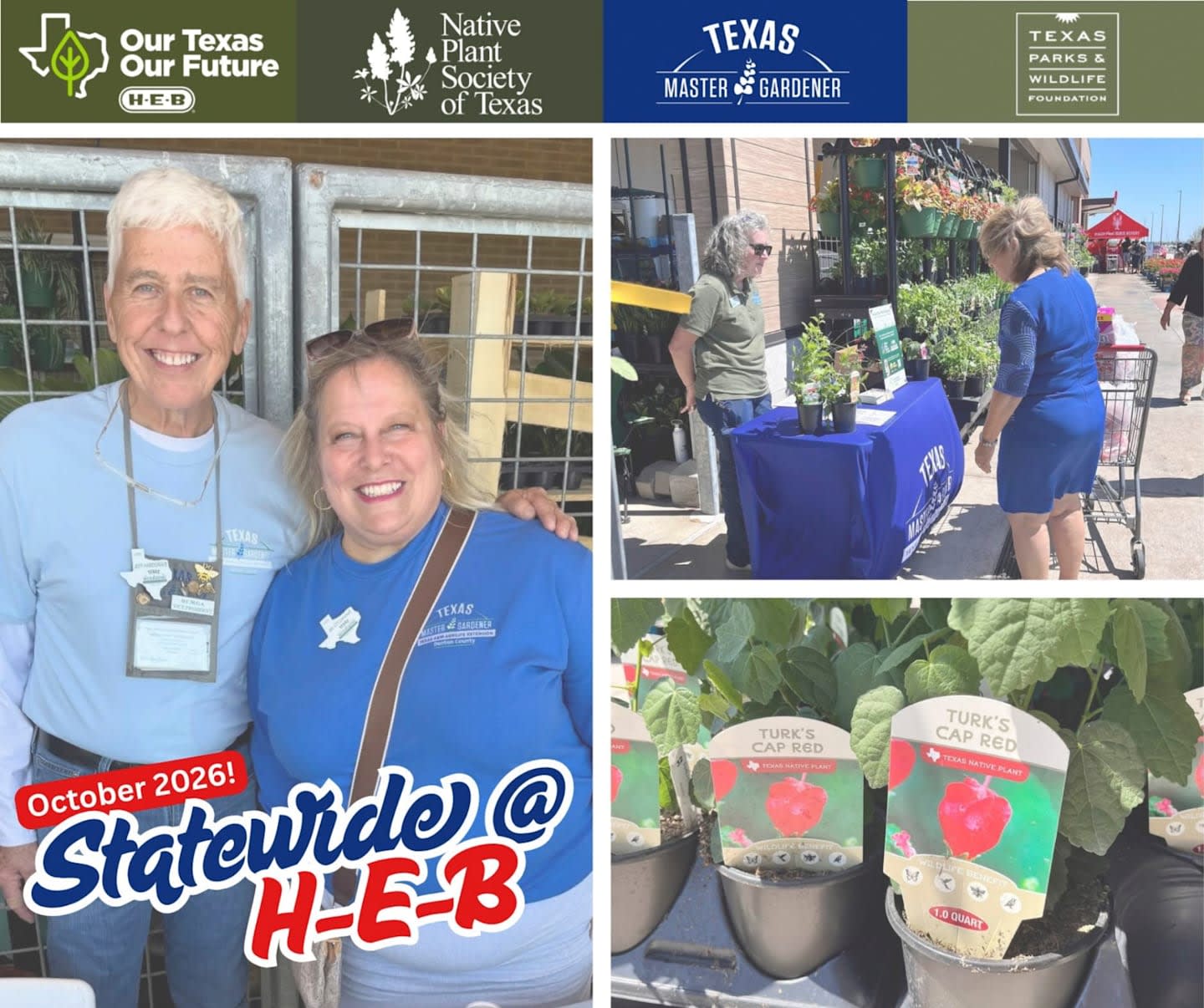 SAVE THE DATE!
Texas Native Plant Celebration at H-E-B | Fall 2026
The Texas Master Gardeners and Native Plant Society of Texas are appearing at several H-E-B stores across the state!
To celebrate Texas native plants and help Texans discover plants that are well-suited to their region.
FREE SEEDS while supplies last, thanks to the Texas Parks and Wildlife Foundation!!! October 17–18 & 24-25, 2026
846 6th Street Hempstead, TX 77445-5402 (979) 826-7651 wallermgardener@gmail.com
Waller County Master Gardeners
|