August 31, 2026 International Day for People of African DescentAugust 31 marks the International Day for People of African Descent, a day to celebrate the histories, cultures, achievements and enduring contributions of African-descended people worldwide. It is also a time to confront the distance between recognition and lived equality. Across Canada, anti-Black racism continues to shape access to housing, education, employment, public services and justice. Celebration alone cannot address these inequalities. Recognition must be matched by legal protection, institutional accountability and meaningful investment in Black communities. As we enter the Second International Decade for People of African Descent, the call for recognition, justice and development remains urgent. It must also include something equally fundamental: the ability of Black people to participate fully, live with dignity and experience a genuine sense of belonging. Today, we honour the generations whose resistance created pathways for progress and recommit ourselves to the work still ahead.  LEGAL NEWSHRTO Changes Rules Following Court Decision on Access to Human Rights Justice By Sanjay Campbell, PhD, Community Legal Worker at BLAC
The Human Rights Tribunal of Ontario (HRTO) has introduced new procedural rules affecting how discrimination and harassment applications are screened, mediated and reconsidered. The changes took effect on August 17, 2026, and apply to both new and previously filed applications. The revisions follow the Divisional Court’s decision in Bokhari v. Top Medical Transportation Services. BLAC intervened in that case alongside the Ontario Human Rights Commission, the Human Rights Legal Support Centre, ARCH Disability Law Centre and a coalition of migrant worker organizations. In Bokhari, the Court found that the HRTO had unreasonably used its written jurisdictional screening process to assess whether the applicant’s discrimination claim had sufficient merit. The Court clarified that an application should not be dismissed as outside the HRTO’s jurisdiction merely because the Tribunal believes the facts may not ultimately establish discrimination. Under the revised process, an application should only be dismissed at the preliminary stage where it is “plain and obvious” that the HRTO lacks jurisdiction. However, the HRTO may raise jurisdictional questions at any stage of an application. Applicants receiving a Notice of Intent to Dismiss will generally have 28 days to respond. Other changes include mandatory mediation for most applications filed on or after June 1, 2025, new consequences for failing to attend mediation, simplified withdrawal procedures and the assignment of reconsideration requests to a different adjudicator in most cases. These procedural safeguards matter. Black applicants challenging racial discrimination are often self-represented and may face significant barriers when navigating complex tribunal requirements. BLAC will continue to monitor whether the revised rules promote meaningful access to justice or create additional procedural barriers for people seeking remedies under Ontario’s Human Rights Code. Read the HRTO’s operational update and the updated rules and practice directions Ontario Restricts Social Assistance Eligibility Based on Immigration Status By Sanjay Campbell, PhD, Community Legal Worker at BLAC
Ontario has changed the eligibility rules for Ontario Works and the Ontario Disability Support Program, restricting access for some people without permanent immigration status. The new rules exclude people living in Canada without legal immigration status and generally prevent temporary residents, including many visitors, international students and temporary workers, from receiving assistance. Some exceptions continue to apply, including for refugee claimants and people with certain protected statuses. The province says the changes are intended to clarify eligibility and preserve social assistance resources for people who qualify. However, restricting assistance based on immigration status raises serious concerns about poverty, housing instability and access to basic necessities. These consequences may be especially significant for Black migrants and newcomers, who can face overlapping barriers related to immigration status, employment discrimination, housing insecurity and anti-Black racism. An inability to access emergency financial assistance can increase a person’s vulnerability to exploitation, homelessness and unsafe living or working conditions. Anyone whose Ontario Works or ODSP benefits are denied, reduced or terminated should carefully review the written decision. Depending on the circumstances, they may have the right to request an internal review and appeal to the Social Benefits Tribunal. Read the Ontario government’s announcement New LTB Rules Give Tenants Less Time to Challenge Orders By Sanjay Campbell, PhD, Community Legal Worker at BLAC
Ontario has shortened the deadline for requesting a review of a Landlord and Tenant Board order from 30 days to 15 days. A review allows a tenant or landlord to ask the LTB to reconsider an order because it contains a serious error or because a significant procedural problem affected the hearing. For tenants facing eviction, the shortened deadline leaves considerably less time to receive and understand the decision, determine whether there are grounds for review, obtain legal advice and prepare supporting documents. If the deadline is missed, an eviction order may proceed without the alleged error being reconsidered. This change must also be understood within the broader realities of housing inequality. Research examining more than 385,000 eviction filings in the Greater Toronto Area found higher filing rates in Black-majority neighborhoods, particularly in areas where corporate landlords owned more rental housing. Statistics Canada has also reported that 15% of Black people lived in core housing need, compared with 9% of the overall population. These findings show why procedural timelines are not merely administrative. When communities already experience greater exposure to eviction and housing insecurity, reducing the time available to challenge a potentially incorrect order can deepen existing barriers to housing stability and access to justice. Tenants who receive an LTB order should read it carefully and seek legal assistance as soon as possible. INTIATIVESInvesting in the Next Generation This summer, BLAC welcomed five students through the 2026 Law in Action Within Schools (LAWS) Summer Job Program. Students gained hands-on experience in community legal advocacy by supporting client intake, legal research, public education resources, communications and other projects across the clinic. Through mentorship from the BLAC team, they strengthened their professional skills, explored careers in law and community service, and saw how legal work can help people understand their rights and challenge systemic anti-Black racism. We were proud to support their growth and grateful for the energy and insight they brought to BLAC. 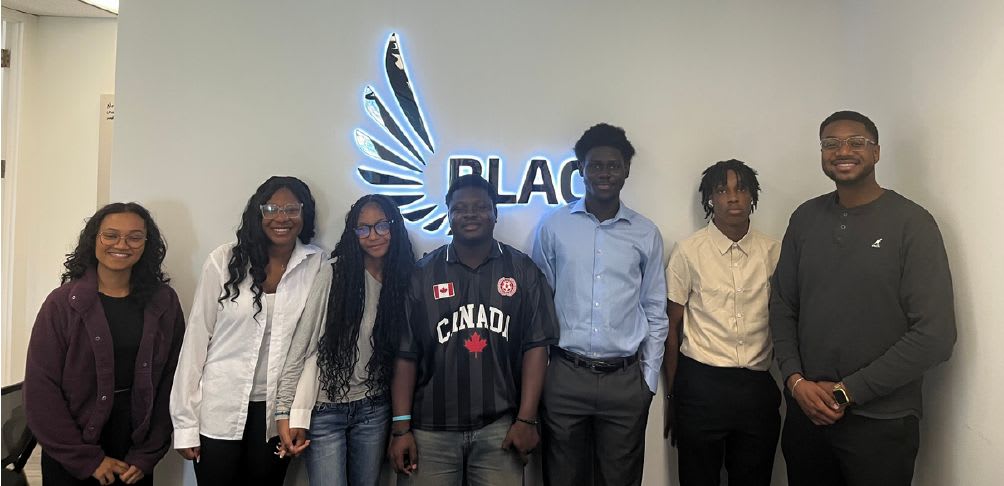 Participants in the 2026 LAWS Summer Job Program gather with members of the BLAC team following a summer of learning, mentorship and hands-on experience in community legal advocacy. BLAC Meets with MP Danielle Martin to Advance Community Priorities On August 11, BLAC met with MP Danielle Martin alongside representatives from the Black Action Defence Committee (BADC) and Colour of Poverty – Colour of Change (COP-COC) to discuss issues affecting Black communities and opportunities for collaboration. BLAC shared insights from its frontline legal and community work, highlighting concerns related to policing, housing, access to legal services, gun violence and the broader conditions that produce unequal outcomes for Black people. The discussion emphasized that recurring individual legal problems often point to systemic gaps requiring policy and institutional responses. Participants also stressed that community organizations should be supported as partners, not expected to replace public institutions or compensate for gaps in government services. MP Martin welcomed continued engagement and encouraged the organizations to bring forward concrete policy concerns and opportunities where her office could assist, including by connecting them with relevant government and institutional partners. The meeting strengthened an important relationship and created a pathway for BLAC to bring the experiences of Black communities directly into broader policy discussions.  Representatives from BLAC, BADC and COP-COC participate in a roundtable discussion with MP Danielle Martin on community priorities affecting Black communities.   left: Participants exchange perspectives on policing, housing, access to legal services, gun violence and opportunities for stronger government and community collaboration. Right: BLAC Executive Director and General Counsel Demar Kemar Hewitt speaks with MP Danielle Martin about opportunities for continued collaboration and policy engagement. Building Connections at Black CAP’s Employment Fair Newcomers and community members gathered at Black CAP’s Employment and Skills-Building Fair to explore employment pathways, strengthen workplace knowledge and connect with local services. Our team joined community organizations in sharing information about legal supports, public education and resources available to Black communities. The event also created an opportunity to strengthen our partnership with Black CAP and identify future ways to support the communities we serve. Reimagining Justice Through Art Youth, artists, lawyers and community organizers came together at the Wildseed Centre for Art and Activism for Legal Artivism, a four-day project presented with the Ontario Justice Education Network. Members of our team joined participants in exploring how law, advocacy, organizing and art can each contribute to social change. Guided by artist Andre Mandela-Lopez, youth transformed their ideas about justice into original artwork for a public exhibition and fall showcase. 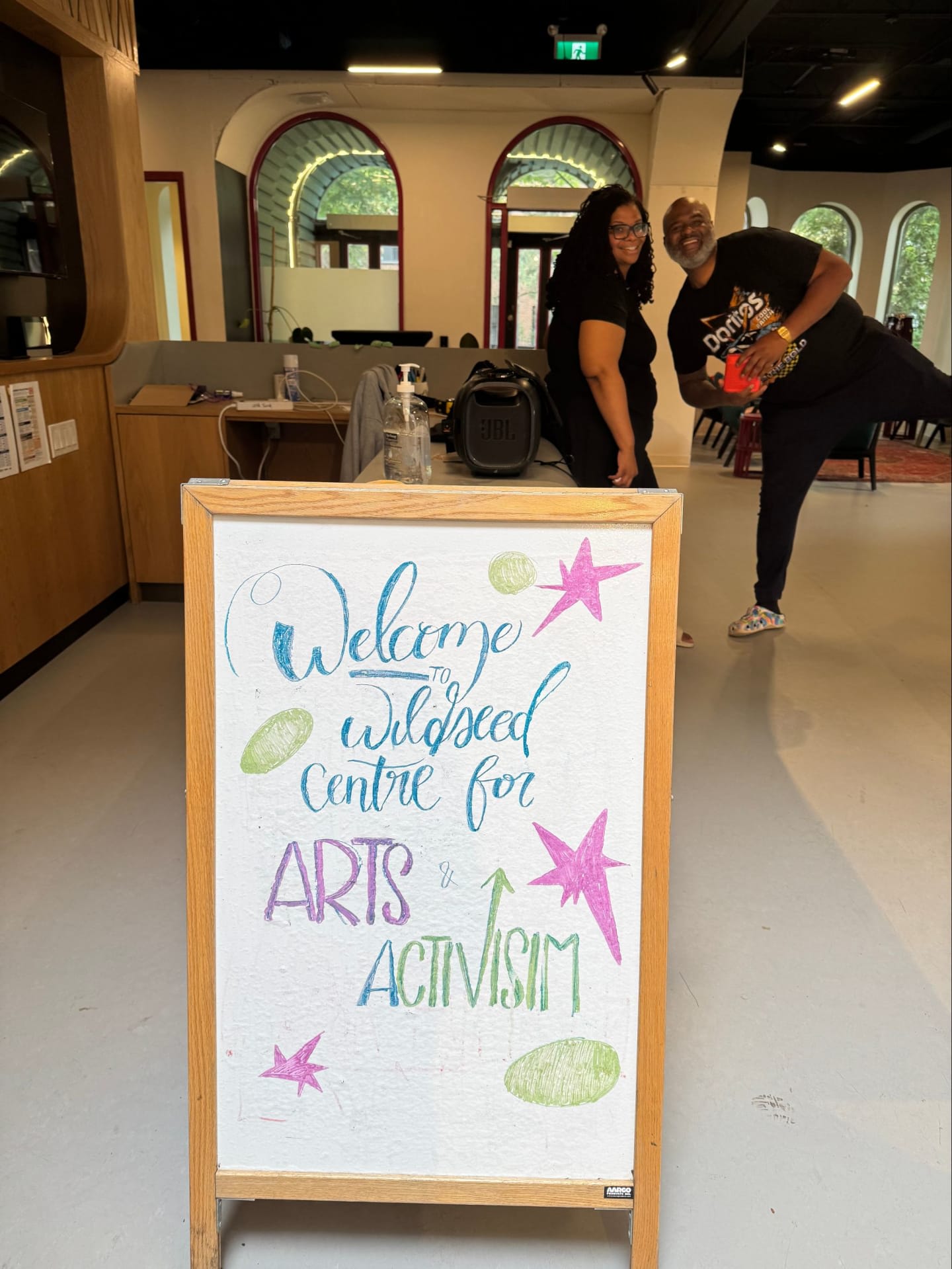 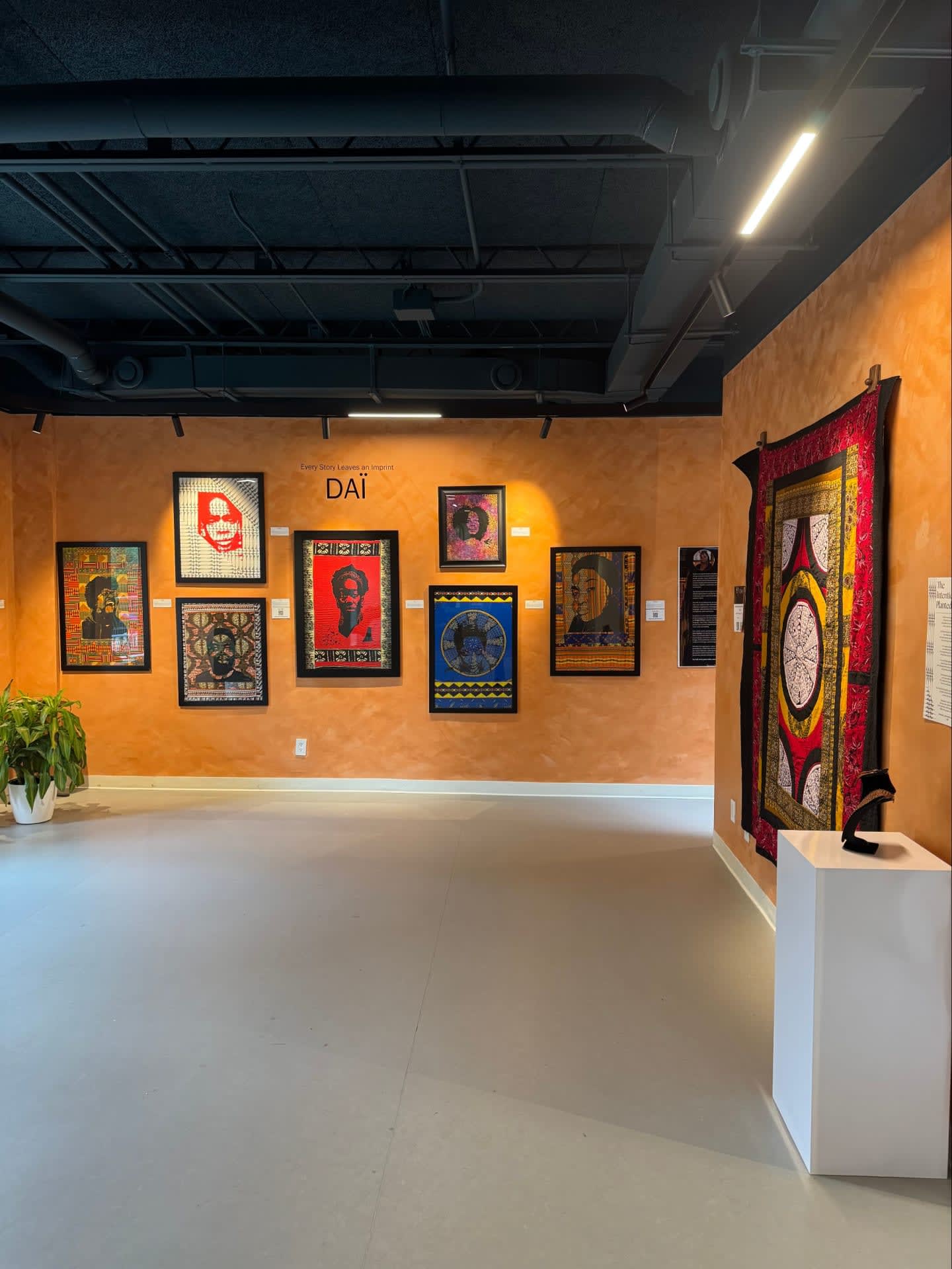 Scenes from Legal Artivism at the Wildseed Centre for Art and Activism. Black Circle of Care Initiative Continues   Please feel free to share our news with your friends and family, and reach out with any questions, comments, or concerns. To learn more about our work, visit our website or follow us on social media |