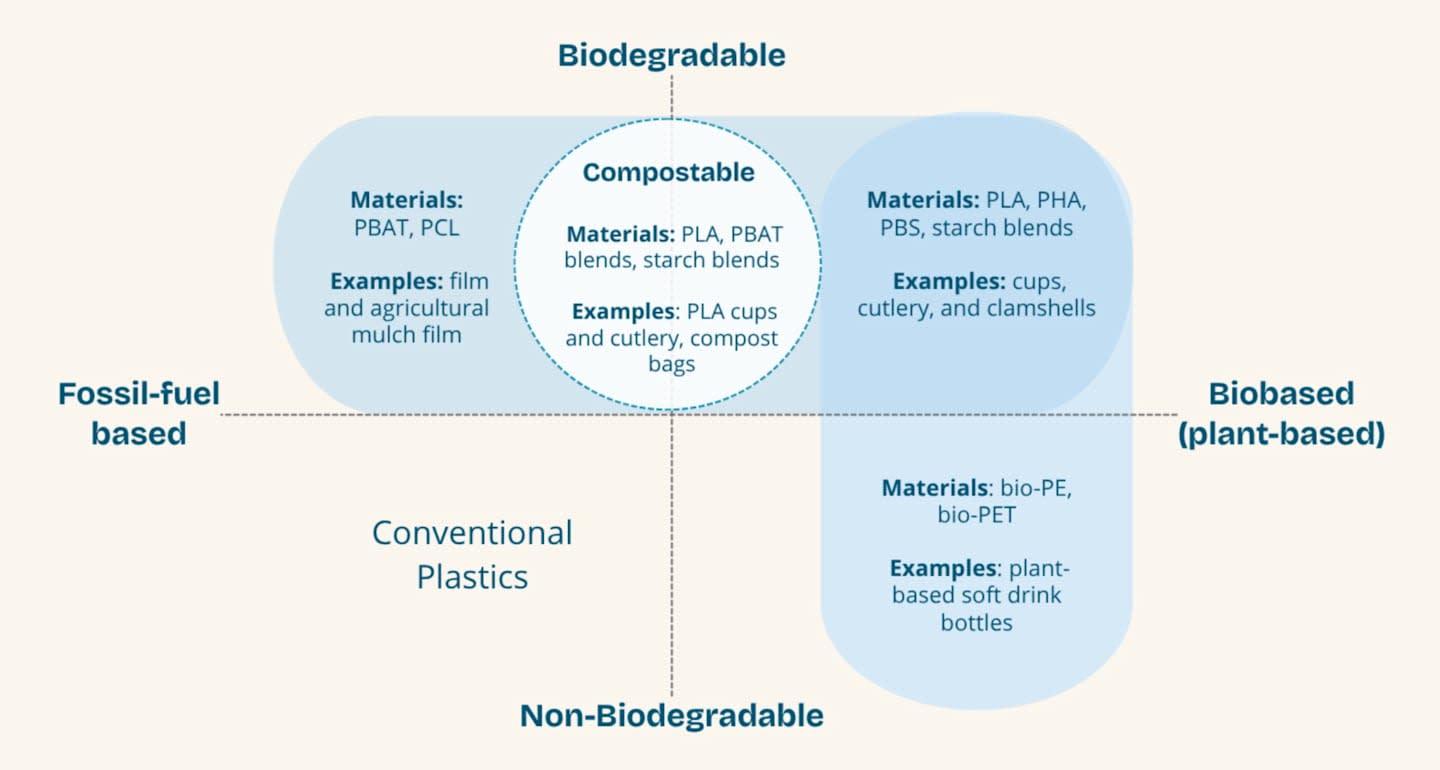
 As of today, October 6th, 2026, we've processed: 22 tons (44,000 pounds) of food!Hello First name, This month we're introducing Microbins, sharing our new website and email address, and looking at what the research says about “bioplastics”, which are less of a solution to conventional plastic than they sound. With our new website and email system, members are now added to our newsletter list when they join, and everyone who joined earlier will be included starting with this newsletter. If you'd rather not receive updates from us, feel free to hit the unsubscribe link at the bottom of the page. We have a new website!Our new website is live at whidbeycompostcollective.org, so come take a look around! Households can join as members there, businesses and event organizers can read how collection works, and past newsletters are in the archive. We also have a brand new email address to go with our new website. Write to info@whidbeycompostcollective.org with questions about membership, consultations, or business inquiries, and a member of our team will get back to you.  Upcoming fundraising driveSome of you have been asking about donating, and we really appreciate your interest and support. We'll be holding a fundraising drive this fall and winter, running through the end of the year. This will help us continue growing our operation and make it sustainable for the long run, so more of Whidbey's food scraps become local compost instead of landfill. You can also contribute anytime here, and we'll share more info as the drive gets going. Why We Leave Out "Compostable" PlasticsMembers, please read this one. It goes into more detail on why we ask you to leave "compostable" bags and other bioplastics out of the food scraps you bring us. Plastic that breaks down alongside food scraps and yard waste sounds like a good idea, right? Beyond Plastics, an organization that has been working to end plastic pollution since 2019, advocates strongly for composting the organics that make up more than 50 percent of the municipal waste stream. Even so, their June 2025 fact sheet says compostable plastics are "rarely the great solution they seem to be." 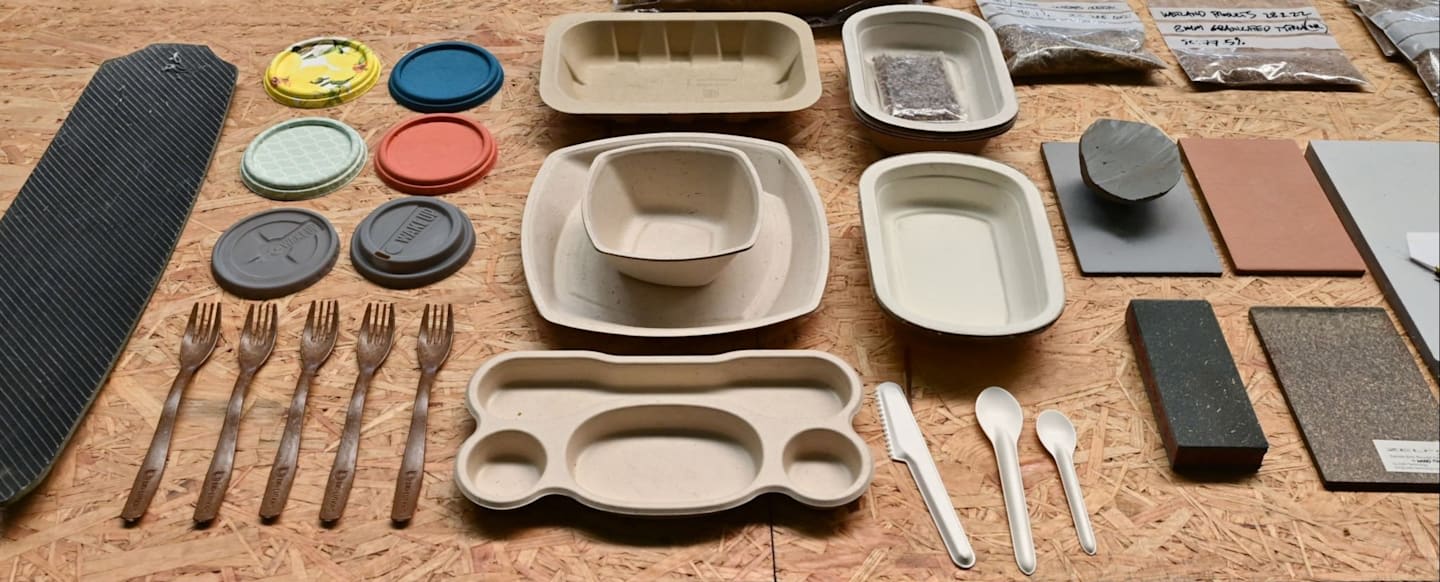 TerminologyThe term “bioplastics” has no standardized definition and is often used to refer to plastic that is biobased, biodegradable, or compostable. It can even include up to 80 percent fossil fuel-based plastic.
 Problems with bioplasticsToxicity: Bioplastics are made using the same processes as conventional plastic, so they may contain the same chemical additives or different ones with even less known about their toxicity. A 2020 study in Environment International tested 43 everyday biobased and biodegradable products, including cups, cutlery, films, trays, and bags. Its authors conclude that they are "just as toxic as conventional plastics with regards to the chemicals they contain," and that "the positive connotation of 'biological' or 'sustainable' materials does not extend to chemical hazards." Lack of regulation: No federal standards define or regulate bioplastic, biodegradable, or compostable products. Most states do not require "compostable" products to be certified, and manufacturers can label products biodegradable or compostable without meeting any standards. Heavy environmental and carbon footprint: Over their lifetime, compostable products and bioplastics often produce significantly more greenhouse gas emissions than single-use plastic, partly from growing the crops they are made from. In a landfill, compostable packaging releases methane, which is roughly 30 times more potent than carbon dioxide. Resource-intensive: Growing those crops also takes significant fossil fuels, farmland, and water that could be used to grow actual food. Increased contamination: Beyond Plastics reports that composting facilities increasingly do not want bioplastics, and that many do not accept compostable foodware because of the contamination it causes, from chemicals like PFAS as well as confusion about what is compostable. When facilities accept packaging and serviceware, unwanted non-biodegradable items get tossed in with them, and the finished compost carries a lot of plastic.  Working together to keep plastics and chemicals out of the soil that grows our foodFor these reasons, we ask that all our residential and commercial members avoid including bioplastics in the food scraps they hand over to us. We check everything by hand for the pieces that sneak through, because keeping quality as high as possible is important to us. Upstream, the more we can all do to eliminate single-use plastics, the better. Sources: Beyond Plastics full report, Beyond Plastics fact sheet, Zimmermann et al. 2020, Composters Serving Oregon We're building MicrobinsOur aerated static piles now have walls!We are trying out a new method for composting food scraps called Microbins, a method honed by O2 Compost. These are 4' x 4' x 4' bins that each hold about 2.4 cubic yards and utilize aeration via a bouncy house blower and perforated PVC pipes. This same method can also be used to create larger enclosed bins as we expand. At our current scale, each weekly pickup brings in enough food scraps to fill one Microbin. Until this point, we have been using bokashi to keep our food scraps stable until we had enough to create an aerated static pile, but now they can go straight into a bin, which significantly cuts down on labor.  What happens inside the binsComposting runs on microbes, and the microbes that break down food scraps need oxygen. When the oxygen in a pile runs out, the pile turns anaerobic and gives off odors like that delightful rotten-egg smell of hydrogen sulfide. One method for aeration is turning a pile to add fresh air, but the microbes use it up quickly. An aerated static pile is never turned, but instead supplies oxygen steadily with the blower. The same microbes that break down food scraps give off heat, and that heat is what reduces pathogens in the finished compost. Washington State sets the standard for aerated static piles at 131°F held for three consecutive days, and UNH Extension puts the minimum size for a pile to generate enough heat at about 3 feet on each side, or one cubic yard.  O2 CompostO2 Compost is a composting consultant who designs many composting system variations, including Microbins for small sites like schools and camps. Peter Moon of O2 Compost, an expert in composting at a wide variety of scales, is advising us as we test the method. We are exploring the possibility of building bins with schools and other communities, and piloting these systems ourselves shows us what it takes to do it well. Fun fact of the monthIn 2019, Washington became the first state in the country to legalize the composting of human remains, which uses wood chips, straw, and other materials to turn a body into soil. It's a fitting one for Samhain, which is celebrated October 31st and marks the turn toward the dark half of the year. It is said to be a time when the boundary between the living and the dead is thin. Ways to get involved Household MembershipMembers have access to our growing network of food scrap drop off locations on south Whidbey. Drop your household food scraps in our kiosks and we will take care of the rest. We accept all food scraps, including meat and citrus, as well as bones and food soiled paper. 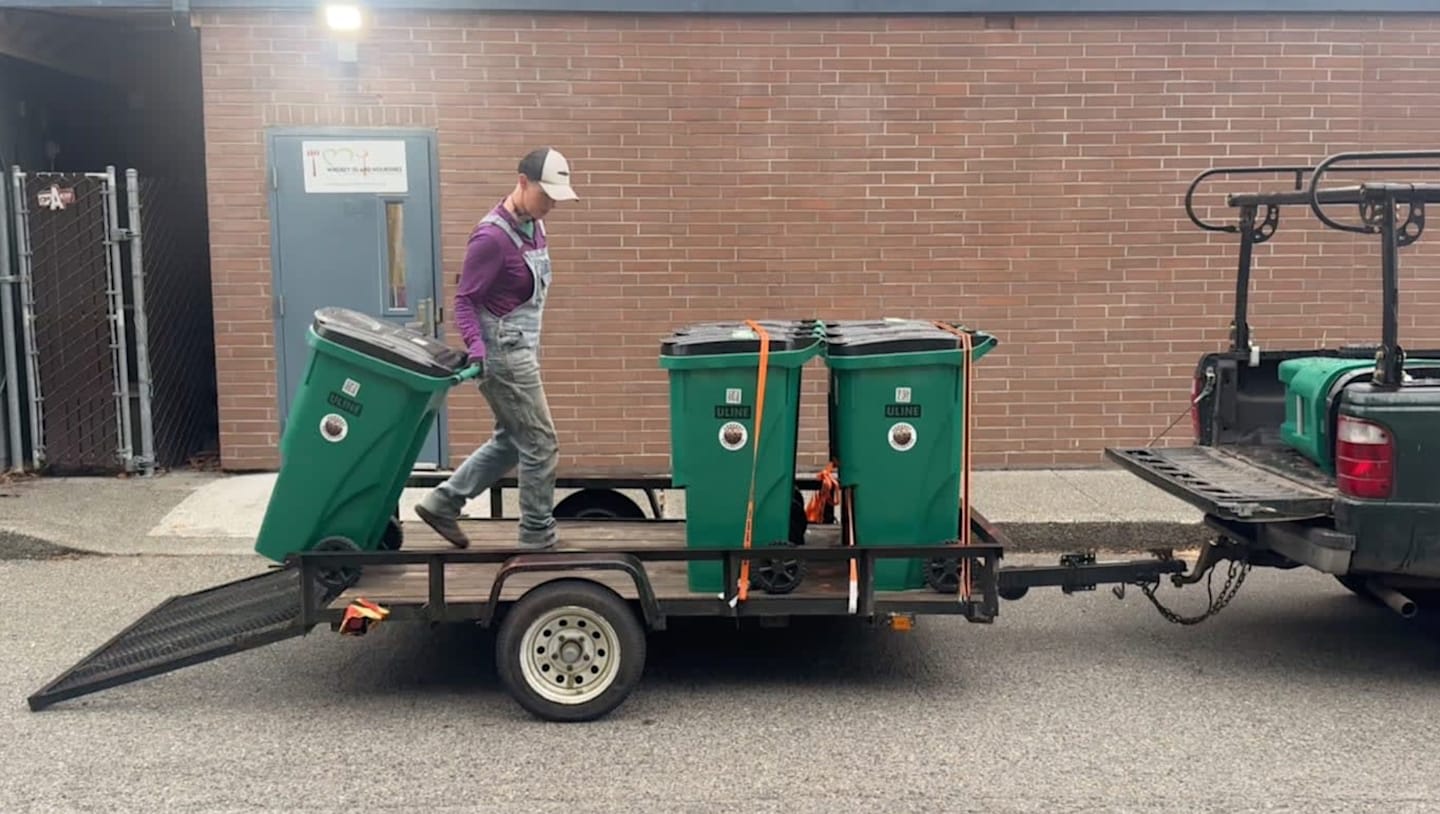 Commercial CollectionWeekly pickup of pre- and post-plate food scraps for restaurants and cafes. Beginning with a consultation, your business will receive containers for food disposal, as well as training for all staff. The rate will be based on your weekly volume in increments of 35 gallons. 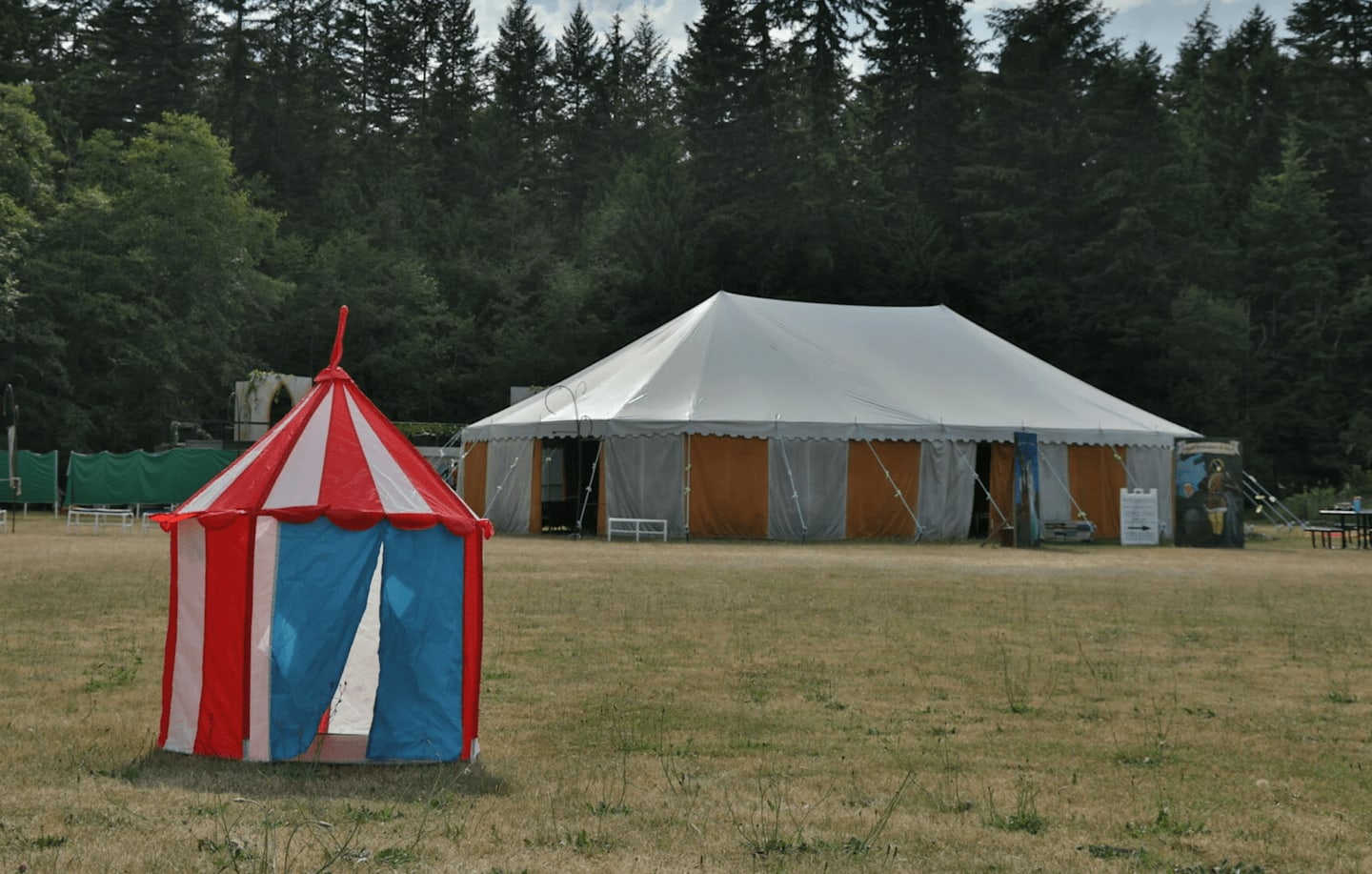 Event CollectionRunning a zero-waste event? We provide labeled containers for food scraps and food-soiled paper, and pick everything up after the event is over. Reach out to rePurpose to learn more about reusable dishware rental.  ConsultationWe offer consultation for small to large systems across a variety of settings. Building a composting program? We can help. We accept everything you can eat, and a little bit moreWhat we take
What we don't take
On "compostable" plasticsThese labels aren't regulated, so "compostable" or "biodegradable" can appear on a product without meeting any particular standards. Many are made with the same chemical additives as regular plastic, and less is known about their toxicity. Because of that, and because they contaminate the compost we make, we ask you to leave them out. For a cleaner, greener, stronger Whidbey! |