July 30, 2026 LEGAL NEWSReverse Onus Bill C-14 Bail and Sentencing Reforms Now in Effect By Chuks Nwajei, Staff Lawyer at BLAC
Bill C-14, the Bail and Sentencing Reform Act, came into force on July 15, 2026, introducing stricter bail and sentencing measures through amendments to the Criminal Code, the Youth Criminal Justice Act, and the National Defence Act. One of the most significant changes is the expansion of reverse onus provisions for certain serious offences, including breaking and entering a dwelling-house, human trafficking, and human smuggling. In these cases, the accused must demonstrate why they should be released on bail, rather than the Crown having to justify why they should remain in custody. The legislation also expands aggravating factors that courts must consider during sentencing, including offences committed against public transit workers and first responders. The reforms have raised concerns about their potential impact on Black communities. Research has consistently shown that anti-Black bias within Canada's bail system contributes to the disproportionate detention of Black people before trial. Advocates warn that expanding reverse onus provisions could further increase pre-trial detention and deepen existing racial disparities in the criminal justice system. Critics have also questioned whether the reforms address the root causes of crime, pointing instead to ongoing issues such as lengthy bail delays and overcrowded detention facilities. They argue that making bail more difficult to obtain may increase pressure on accused persons to remain in custody while awaiting trial or to resolve their cases by pleading guilty, rather than addressing the systemic issues that contribute to criminalization. The Noose is now a Hate Symbol By Sanjay Campbell, PhD, Community Legal Worker at BLAC
The Noose has long been used as a derogatory symbol against Black people. Now, after much community advocacy, Canada has introduced new Criminal Code protections aimed at responding to the rise in hate crimes across the country, including crimes against Black people. The Combatting Hate Act (Bill C-9) received Royal Assent in June, and its new provisions came into force on July 18, 2026. The new law makes it an offence to intimidate or block people from accessing places where communities gather, such as places of worship, schools, and community centres. It also strengthens how hate-motivated crimes are addressed under the Criminal Code and creates new offences for the public display of certain hate symbols, including the noose. The changes come as police-reported hate crimes continue to increase. According to the federal government, Black people remained the most frequently targeted group for race- or ethnicity-based hate crimes in 2024, accounting for 37% of these incidents. For Black communities, these amendments represent another step in strengthening legal protections against hate-motivated conduct. While legislation alone cannot eliminate racism, stronger legal tools, combined with education, community support, and accountability, are important to ensuring that everyone can safely live, learn, worship, and participate in community life. As part of a Government of Canada-funded project, BLAC continues to monitor incidents of anti-Black hate. You can report an incident of anti-Black hate here. Police misconduct records must be disclosed in criminal proceedings By Sanjay Campbell, PhD, Community Legal Worker at BLAC
The Supreme Court of Canada has ruled that relevant police misconduct records should be disclosed to persons facing criminal charges if the information could help ensure a fair trial. In EPS v. McKee, 2026 SCC 24, the Court confirmed that this can include records of past misconduct when they are relevant to an accused person's defence. The Court also made clear that police cannot decide on their own what information is withheld. That responsibility rests with the Crown. This decision is particularly significant for Black accused and other racialized communities, who disproportionately experience police interactions. It reinforces the constitutional right to a fair trial and the ability to make full answer and defence. As the BCCLA argued, misconduct records could include allegations of racial profiling or falsifying notes, the impact of which disproportionately affects Black people. For Black communities, where concerns about racial profiling and police accountability continue to be raised, the decision reinforces the importance of transparency and fairness in the criminal justice system. Ensuring access to relevant information helps protect an accused person's right to make a full answer and defence. INTIATIVESBlack Justice Hub Launches 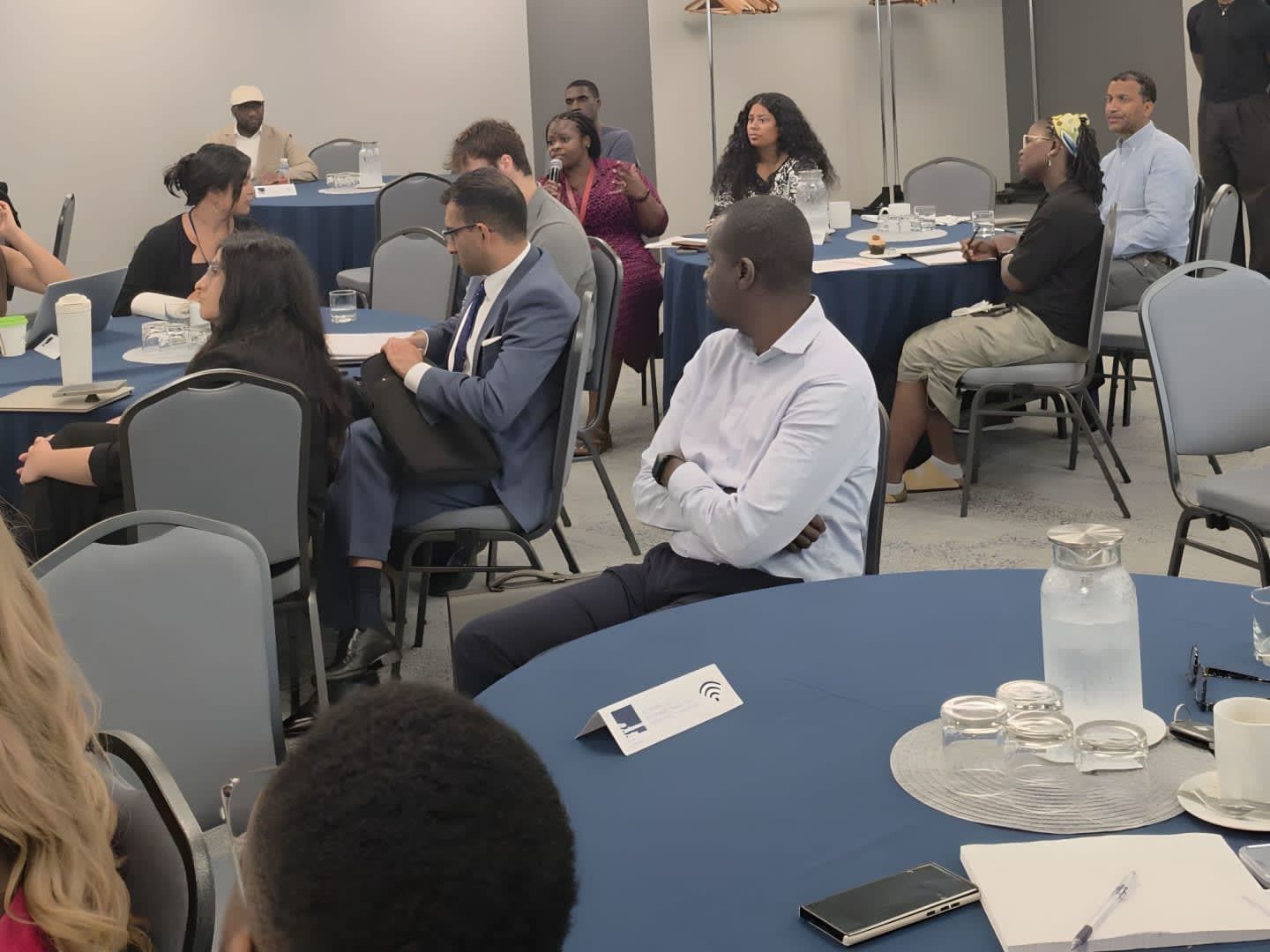 Community members, legal professionals, advocates, and partners gathered for the official launch of the Black Justice Hub. The event created space for discussion, reflection, and shared learning on how the Hub can support legal professionals, community workers, and Black communities navigating the justice system 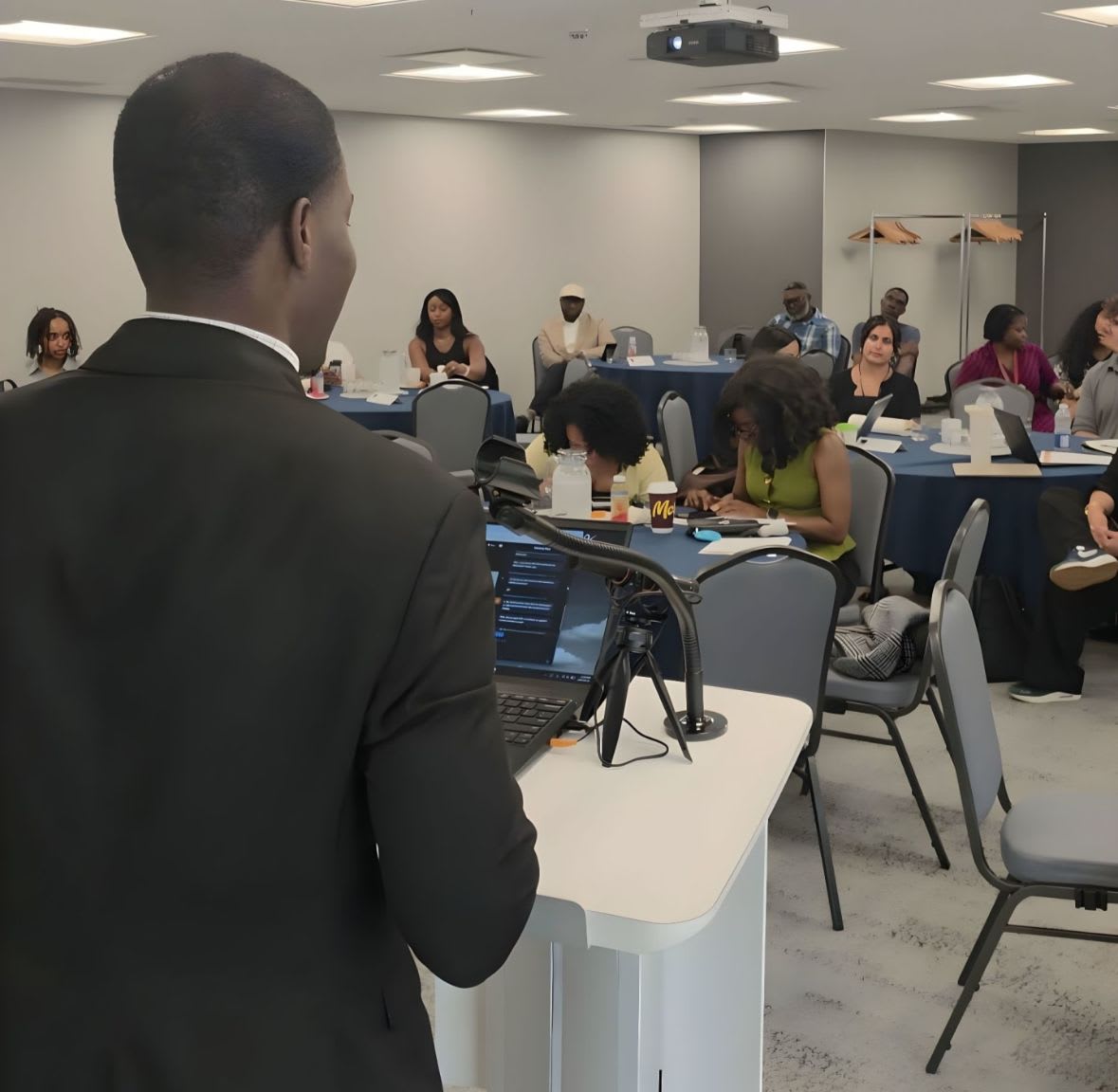 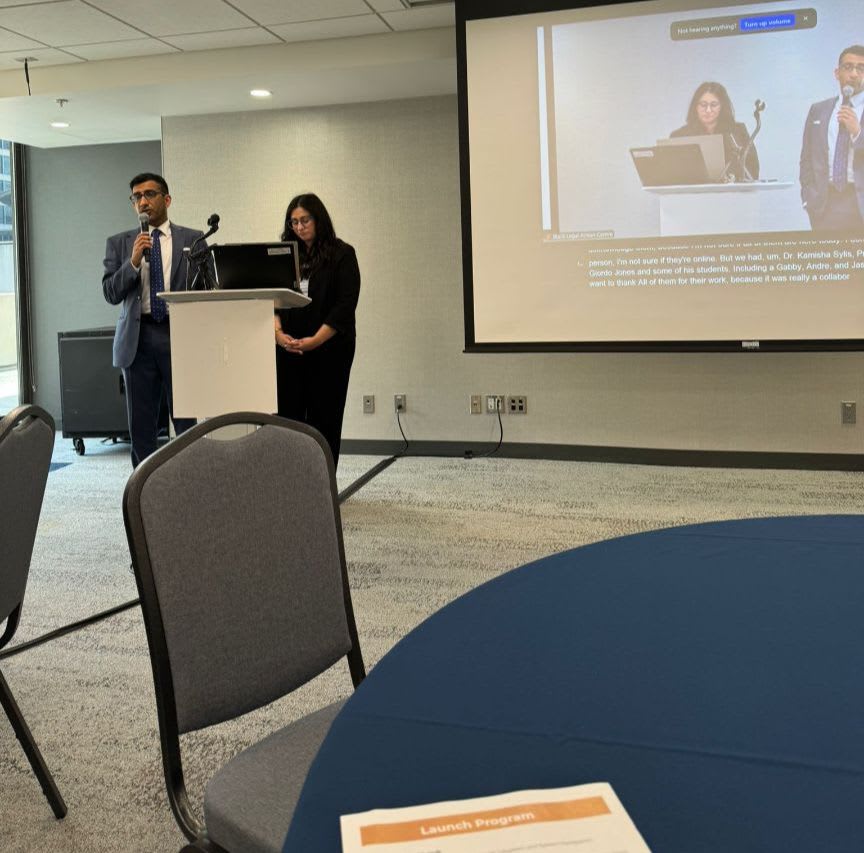 Left: Demar Kemar Hewitt, Executive Director and General Counsel of Black Legal Action Centre, welcomes attendees and reflects on the vision behind the Black Justice Hub. Right: Taufiq Hasmani and Melody Izadi share their expertise and contributions to the Black Justice Hub, highlighting the importance of accessible legal knowledge and collaborative efforts to address anti-Black racism within Canada's justice system. The Black Justice Hub has officially been launched. This is a new online resource designed to support lawyers, advocates, community workers, and individuals navigating legal issues that disproportionately impact Black communities. The Hub focuses on criminal law, child protection, immigration, prison law, and civil litigation—areas where Black communities are disproportionately impacted and where legal responses to anti-Black racism continue to evolve. By bringing together case law, research, practical tools, and legal resources in a single location, the Hub makes it easier for lawyers, advocates, community workers, and self-represented individuals to find and apply the information they need. Developed through BLAC's Justice Canada-funded project, Combatting Anti-Black Racism through Litigation and System Navigation, the Black Justice Hub represents an important step toward expanding access to justice and supporting those working to advance equitable outcomes within Canada's legal system. The launch event brought together lawyers, advocates, community organizations, and project contributors to commemorate the official launch of the Hub. Remarks were delivered by Demar Kemar Hewitt, Executive Director and Neto Naniwambote, Chair of the Board, while the Honourable Sean Fraser, Minister of Justice and Attorney General of Canada, joined virtually to offer congratulatory remarks. Contributors and speakers reflected on the ongoing impact of anti-Black racism within legal and administrative systems, the importance of accessible legal resources, and the role that collaborative initiatives can play in advancing access to justice. Attendees also had an opportunity to explore the Hub's resources and learn more about how it can support advocacy, litigation, and system navigation efforts across Canada. BLAC Ottawa is now open  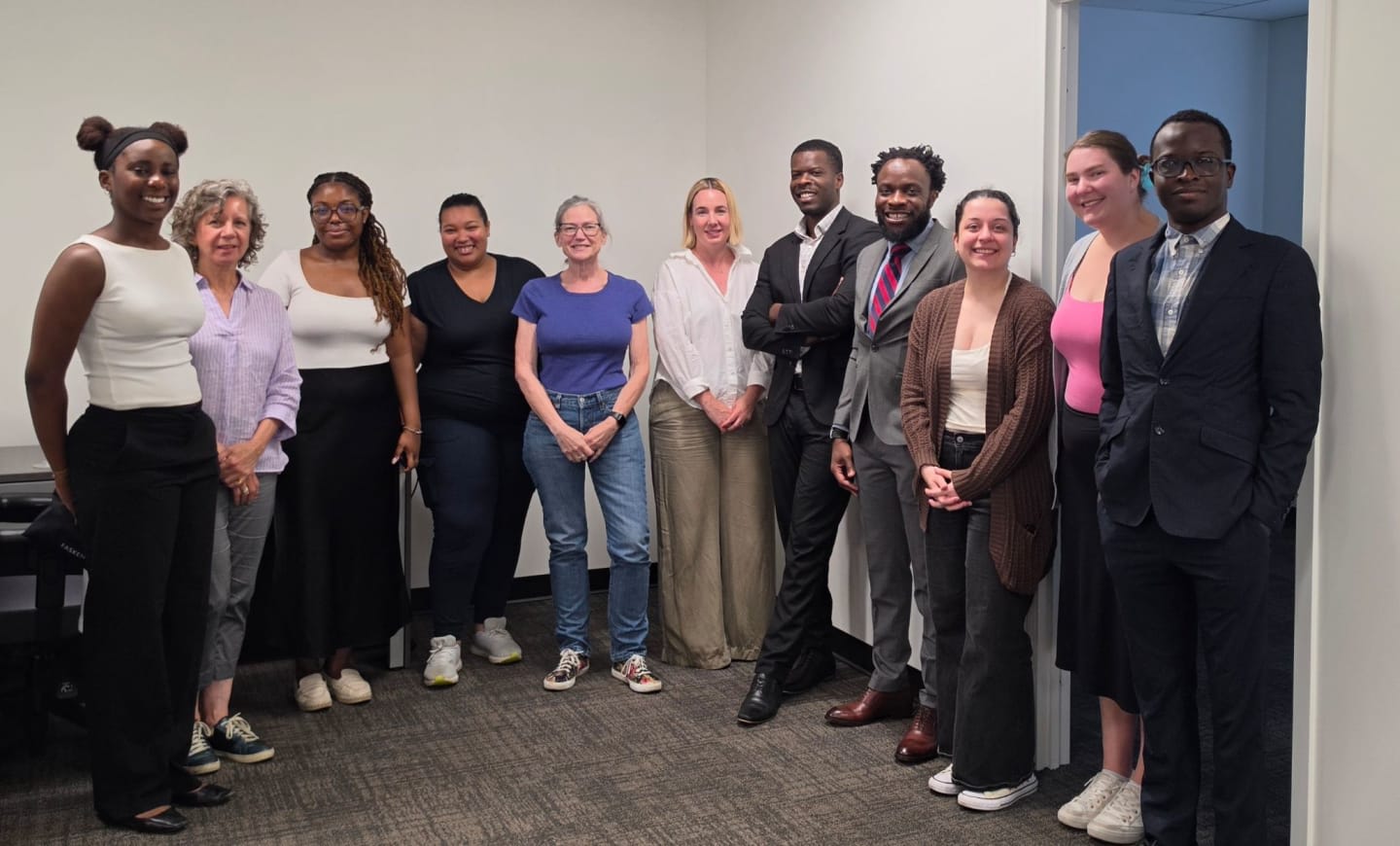 BLAC staff are joined by members of Community Legal Services of Ottawa to commemorate the opening of the Ottawa office and celebrate a shared commitment to advancing access to justice.  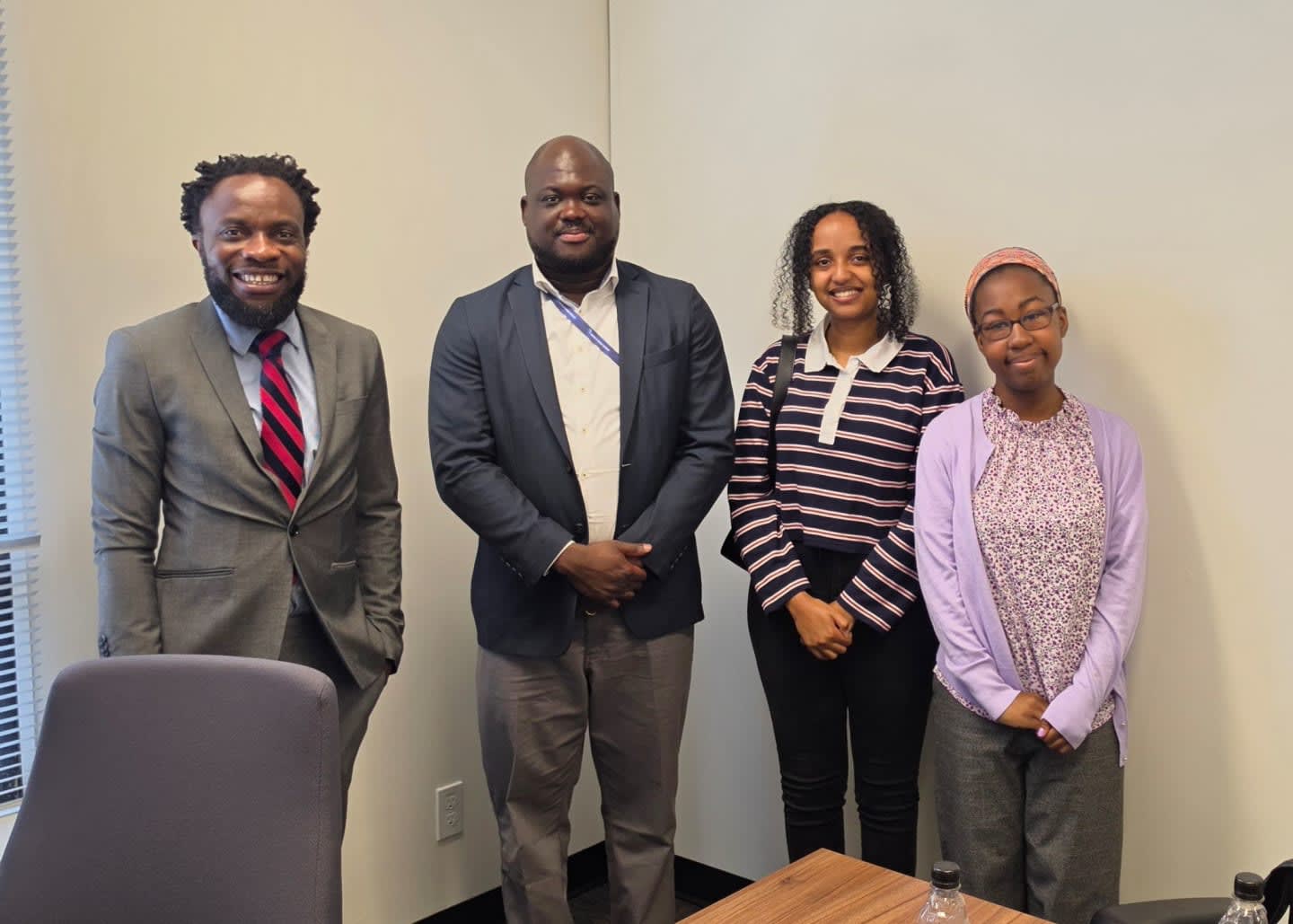 Community partners and guests join BLAC's Executive Director and General Counsel, Demar Kemar Hewitt, and chair of Board Neto Naniwambote during the opening of the Ottawa office. An important new chapter began for Black Legal Action Centre with the official opening of its Ottawa office, expanding the organization's presence and strengthening access to justice for Black communities across Eastern Ontario and beyond. Prior to BLAC's opening, Black Ottawans had no direct access to an organization dedication to address incidents of anti-Black racism. The launch brought together legal professionals, community leaders, and justice sector partners from across the National Capital Region and beyond, including representatives from Community Legal Services of Ottawa, Renfrew County Legal Services, the 613/819 Black Hub, and members of the private bar. The event provided an opportunity to build new relationships and strengthen existing partnerships. The new Ottawa office will enhance BLAC's capacity to deliver legal services, public legal education, community outreach, and systemic advocacy while continuing to advance equitable access to justice for Black communities across the province. Black Circle of Care Initiative Continues  Building Partnerships for Lasting Impact BLAC attended the 2026 Anti-Racist Youth Lab Community Reception & Panel Discussion, hosted by the Canadian Race Relations Foundation (CRRF) in partnership with The Dais at Toronto Metropolitan University. The event brought together community leaders, researchers, policymakers, and practitioners to discuss strategies for strengthening partnerships and advancing anti-racism initiatives. A featured panel, "Getting Resourced: Building Partnerships & Securing Funding," highlighted the importance of building relationships grounded in trust, shared goals, and collaboration. Panelists also emphasized using evidence to demonstrate community need and investing in partnerships that strengthen long-term community impact. The event also provided an opportunity to connect with organizations and leaders working across the anti-racism and community development sectors, reinforcing the value of collaboration in addressing systemic barriers. BLAC Joins the Conversation on Youth Justice BLAC participated in the Youth Justice Transformation Lab: Reimagining Youth Justice Together, a collaborative think tank led by Dr Marsha Rampersaud and the Youth Justice Transformation Lab. The event brought together youth, community leaders, legal professionals, researchers, policymakers and service providers to explore bold ideas for strengthening Ontario's youth justice system. Throguhout the session, particpants tackled important questions about what a more equitable youth justice system could look like. Discussions explored diversion and restorative justice, legal education for youg people, police accoutnability, mental health support and the importance of investiong in prevention before youth enter the justice system. A reccruing theme was lasting changerequires colloboration between communities, governments and justice sector partners. The event provided BLAC with an opportunity to contribute to these conversations, connect with organizations working across the youth justice sector and strengthen relationships with partners committed to advancing equitable outcomes for Black and racialized youth. Black LGBTQ IRCAs now available  BLAC's Executive Director, Demar Kemar Hewitt, presented the final chapter on the Black LGBTQ Affirming Assessment Report (BLGBTQAAR), an emerging framework developed by Black LGBTQ Justice Canada. The project trained report writers to support Black LGBTQ+ individuals navigating the justice system. The reports apply an IRCA framework with a specific focus on how a person's identity may have contributed to their current circumstances. The presentation explored how affirming assessments can provide important context during legal proceedings, particularly in sentencing and immigration, by recognizing the intersecting experiences of Black LGBTQ+ communities. Discussions also examined ethical considerations, systemic barriers, and the need for culturally responsive approaches that promote more equitable outcomes. The session underscored the importance of developing legal tools that better reflect the lived experiences of marginalized communities and strengthen access to justice. Reports can be requested through BLAC or directly from Black LGBTQ Justice Canada. NOTICE AND OPPORTUNITIES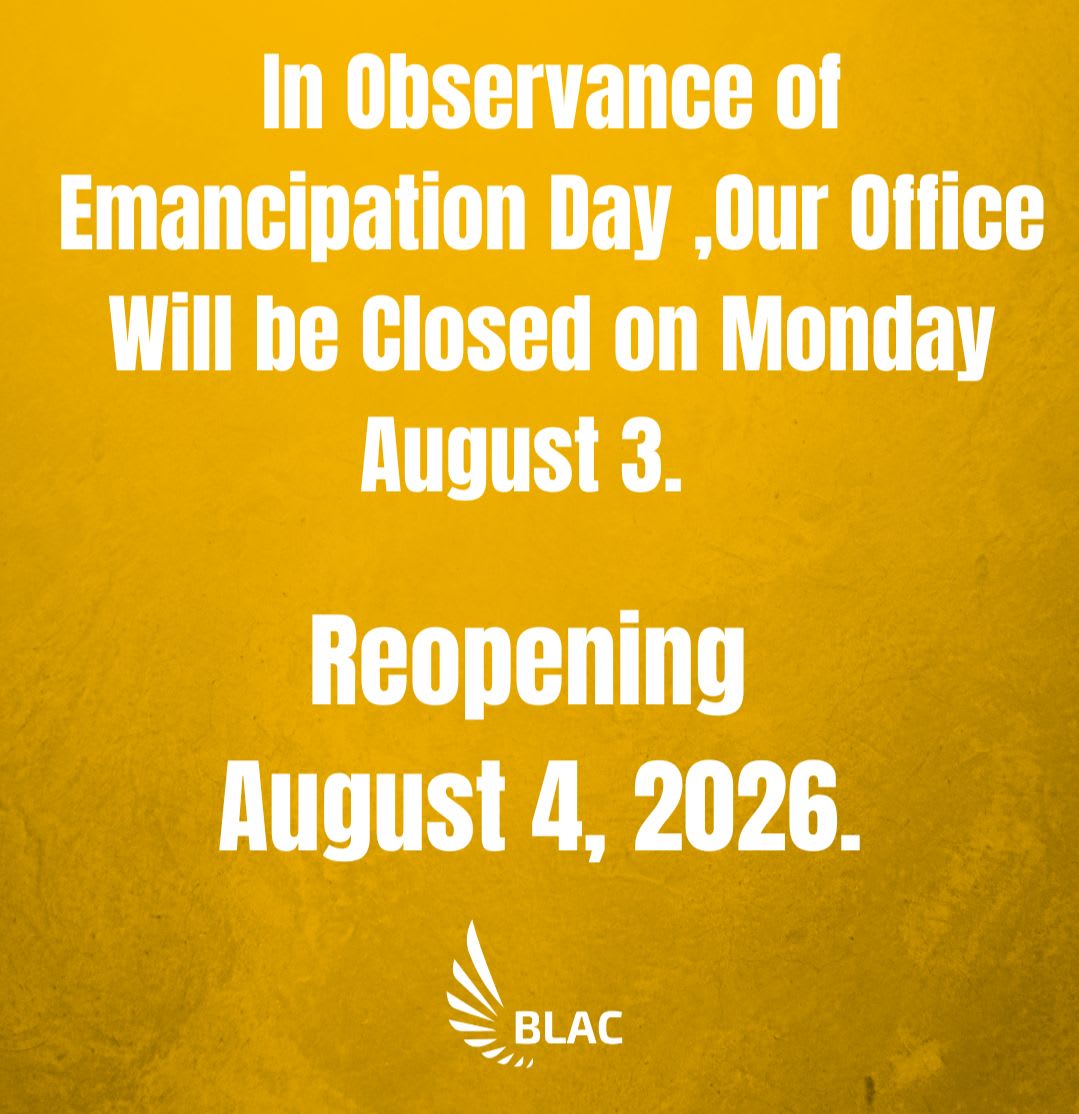  Please feel free to share our news with your friends and family, and reach out with any questions, comments, or concerns. To learn more about our work, visit our website or follow us on social media |