October 30, 2026  BLAC's Impact: Our Year In Numbers 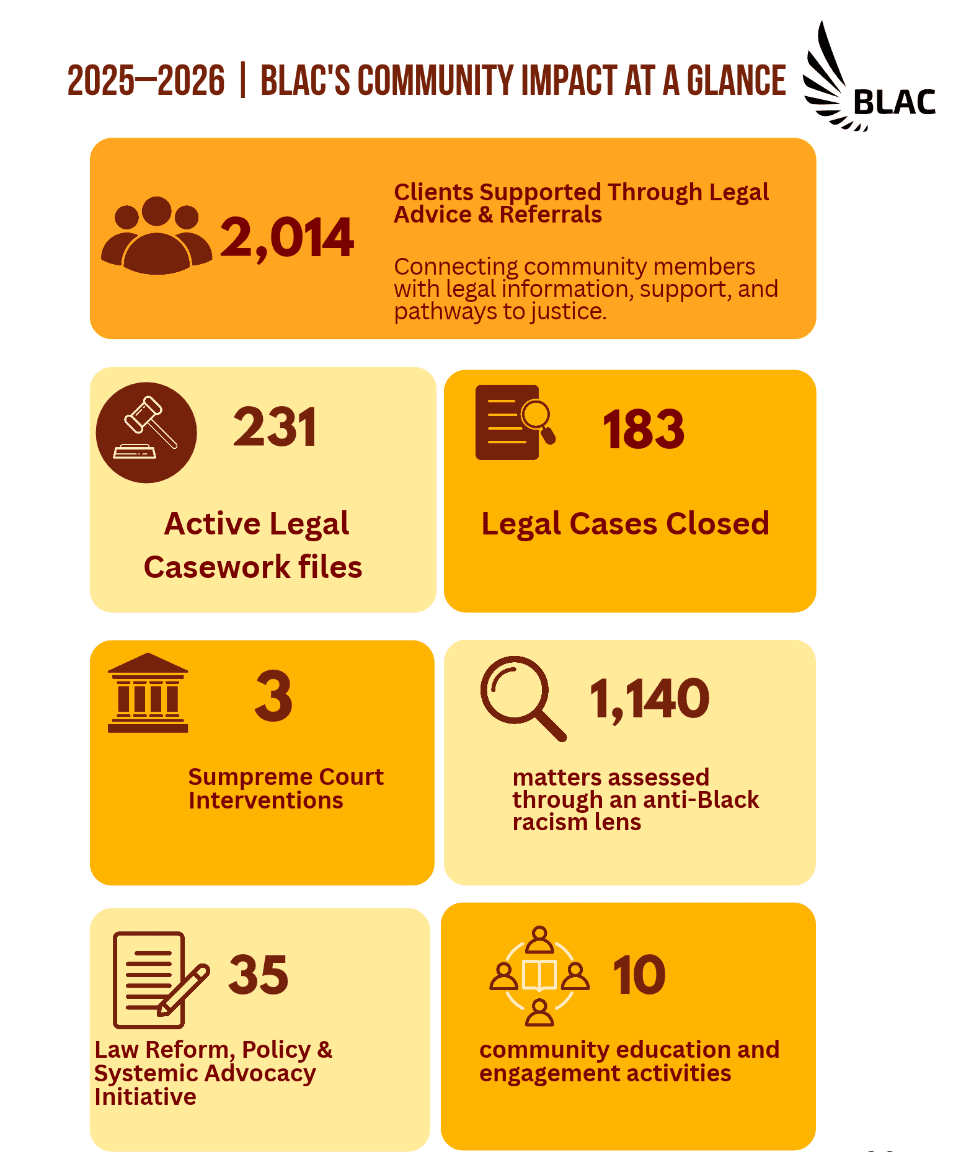 2,014 people sought assistance from BLAC. That's one of the figures shared at our Annual General Meeting on October 28, offering a glimpse into the demand for legal support among Black communities across Ontario. Our 2025–2026 Annual Report highlighted:
Employment, public services and housing accounted for approximately two-thirds of BLAC's legal caseload, underscoring how discrimination can affect everyday life, from earning a living to finding a place to call home. Want to learn more about our work? Our 2025–2026 Annual Report will be available on BLAC's website soon, offering a closer look at our legal services, advocacy, community initiatives and achievements over the past year. Welcoming New Voices to BLAC's Board  Asha Jibril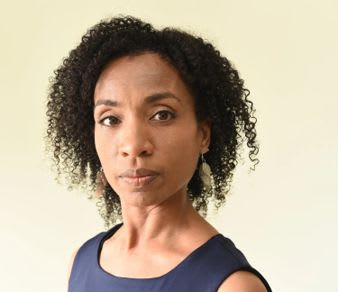 Dr. Candace Veecock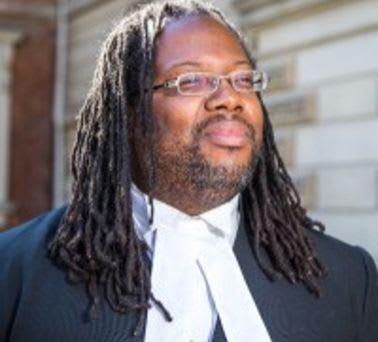 Selwyn PietersBLAC is pleased to welcome three new Directors to our Board: Asha Jibril, Dr. Candace Veecock and Selwyn Pieters. Together, they bring a wealth of experience in public policy, academic leadership, human rights and legal advocacy. Asha Jibril Asha brings extensive experience in public policy, human rights and governance. As a Senior Policy Officer at the Privy Council Office, she advises on social policy and legislative proposals. Her previous work with the Canadian Human Rights Commission, particularly on race-based discrimination and complaints reform, brings valuable insight into addressing systemic barriers within public institutions. Dr. Candace Veecock An accomplished educator and academic leader, Dr. Veecock brings expertise in inclusive education, strategic planning and organizational leadership. Her international academic experience, alongside her previous service on the Board of the Urban Alliance on Race Relations, reflects a strong commitment to equity, education and community engagement. Selwyn Pieters A lawyer called to the bars of Ontario, Trinidad and Tobago, and Guyana, Selwyn brings extensive experience in human rights, criminal, constitutional, administrative and policing law. His legal background and advocacy experience will be valuable in advancing BLAC's work challenging systemic discrimination and promoting access to justice. Following the formal AGM proceedings, BLAC hosted a Listening to the Community session, where attendees shared concerns and discussed issues affecting Black communities. We extend our sincere thanks to everyone who joined us and contributed to the evening, and a warm welcome to our newest Board members! LEGAL NEWSOntario Seeks Public Feedback on Potential New Police Powers By Sanjay Campbell, PhD, Community Legal Worker at BLAC
The Ontario government is seeking public feedback on potential measures to improve public safety and maintain access to roadways, businesses and community spaces, including schools, places of worship and cultural centres. Through the Ontario Regulatory Registry, the province is considering several options, including new police powers to direct individuals to stop obstructing access to certain spaces, provincial offences for failing to comply with those directions, identification requirements and limited arrest powers in specified circumstances. While the proposals are intended to address public safety and accessibility concerns, they also raise questions about how additional police powers could affect the exercise of fundamental rights, including freedom of expression and peaceful assembly. What this could mean for Black communities Black communities have long raised concerns about racial profiling, disproportionate police scrutiny and discriminatory enforcement. Expanding police authority to direct individuals, demand identification or make arrests could create additional opportunities for unequal enforcement, particularly where officers must exercise discretion in determining what constitutes obstruction or intimidation. The potential implications extend to demonstrations against anti-Black racism, community organizing and other forms of peaceful civic participation. Clear legal definitions, safeguards against discriminatory enforcement and accountability mechanisms would therefore be important considerations if the province decides to pursue legislative changes. Readers can review the proposal through the Ontario Regulatory Registry. When Suspicion Becomes Evidence: The Hidden Cost of Racial Profiling By Sanjay Campbell, PhD, Community Legal Worker at BLAC
What happens when an assumption becomes the foundation of a police investigation? An October 2026 Ontario Superior Court ruling raises this very question. A judge found that warrants used to investigate Jamel Rose, a young Black man suspected of drug trafficking in Thunder Bay, were tainted by racial profiling. The court excluded evidence obtained through those warrants. Among the concerns was investigators' reliance on a vague description of a “skinny Black male” without sufficient evidence connecting Rose to the alleged criminal activity. But the deeper issue is how easily suspicion can acquire the appearance of certainty. A description becomes an identification. An identification becomes an investigative theory. That theory becomes the basis for a warrant. And suddenly, assumptions carry the authority of the justice system. The ruling reminds us that racial profiling does not always involve deliberate discrimination. Unconscious bias can influence which connections are made, which assumptions are accepted and which questions go unasked. The question is how often unexamined assumptions become the foundation for exercising police powers. For Black communities, meaningful accountability must begin long before an arrest or criminal charge. It must also examine the reasoning that made police intervention possible. Source: CTV News, October 5, 2026 Judge rules Thunder Bay drug warrants were ‘tainted’ by racial profiling INTIATIVESFrom Solidarity to Action: BLAC Engages with UN Special Rapporteur on Racism 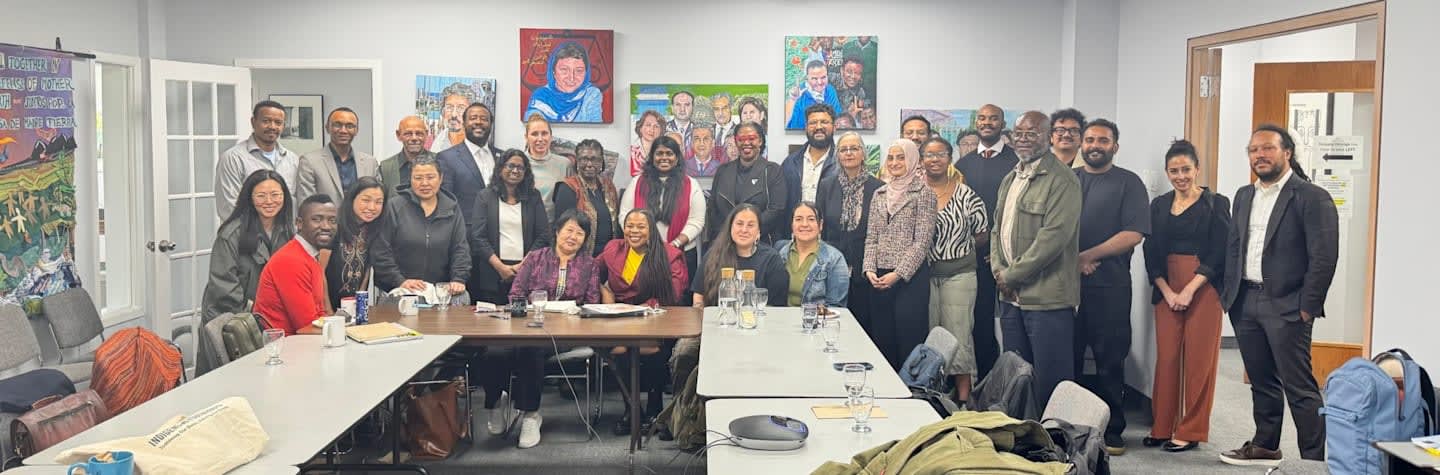 Representatives from civil society organizations gather in Toronto on October 8, 2026, for a roundtable with Dr. Ashwini K.P., UN Special Rapporteur on contemporary forms of racism, hosted by Amnesty International Canada. On October 8, 2026, the Black Legal Action Centre (BLAC) participated in a civil society roundtable in Toronto with Dr. Ashwini K.P., United Nations Special Rapporteur on contemporary forms of racism, during his official visit to Canada. Hosted by Amnesty International Canada, the discussion brought together organizations advocating on issues ranging from anti-Black racism and Indigenous rights to immigration, housing, policing and access to justice. One reflection stood out: the gathering was both encouraging and disheartening. Encouraging because of the solidarity among communities confronting different forms of discrimination. Disheartening because many of the same systemic inequalities persist despite years of advocacy and government commitments. BLAC emphasized the need to move beyond recognition toward meaningful implementation and accountability. Among its recommendations was a permanent federal–provincial Anti-Black Racism Task Force, with Black community leadership, to strengthen coordination, monitor progress and deliver measurable outcomes. The engagement reinforced a simple but important message: Solidarity matters, but solidarity must lead to action. Being Heard, Being Understood: Mental health While Black 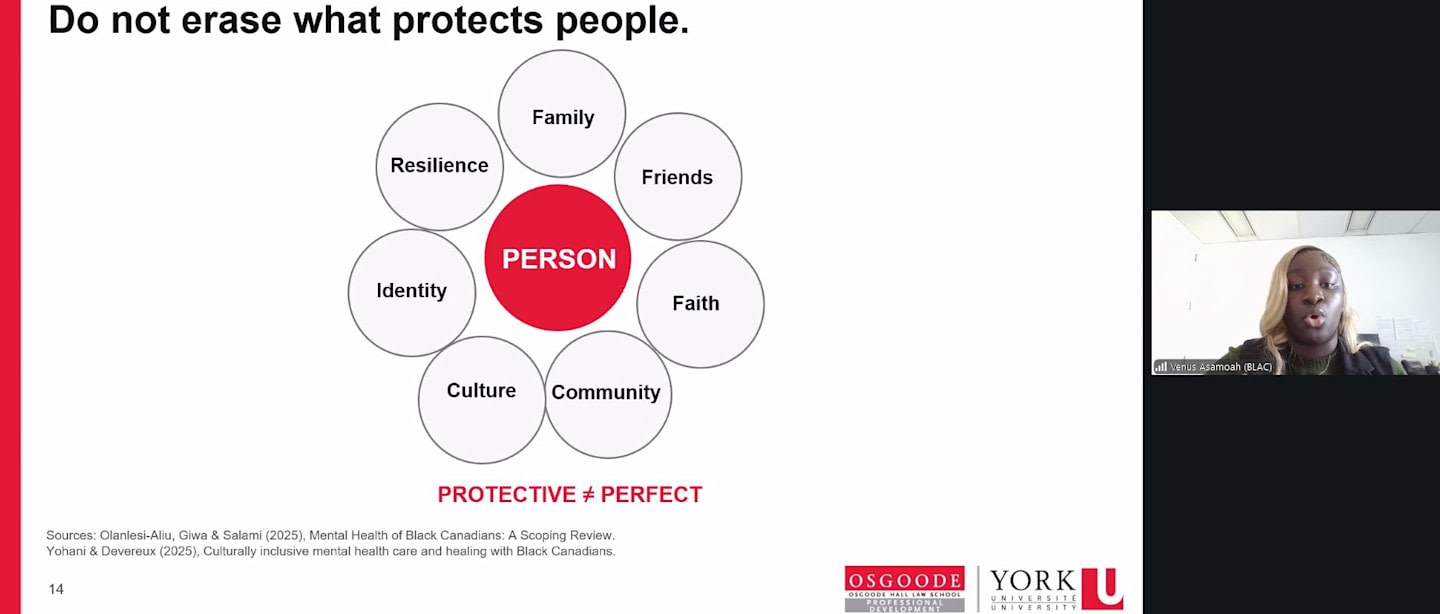 BLAC’s Venus Asamoah presents Being Heard, Being Understood: Mental Health While Black at Osgoode Professional Development on October 7, 2026, highlighting the role of family, culture, community and identity in supporting mental well-being. On October 7, 2026, BLAC's Social Worker, Venus Asamoah, presented at Osgoode Professional Development's Certificate in Mental Health Law program, exploring how anti-Black racism shapes mental health experiences, access to care and institutional responses. The presentation challenged participants to look beyond symptoms and consider the whole person, including their experiences of discrimination, housing, employment, family and community. A central question emerged: When a Black person expresses distress, are institutions responding to what they observe, or to assumptions about what that behaviour means? Through practical scenarios, Venus explored how racialized perceptions of aggression, mistrust, or non-compliance can influence professional judgment, potentially affecting the support individuals receive The session reinforced an important principle: Mental illness does not belong to a race, but the experience of seeking help and being understood can be shaped by racism. Creating equitable systems requires more than making services available. It requires listening without prejudice, recognizing the context of people's experiences and responding to the whole person. When a Legal Problem Is Not the First Problem Someone Brings to You For many people facing housing instability or income insecurity, their first point of contact isn't a lawyer. It's often a community worker helping them navigate an immediate crisis. On October 14, 2026, BLAC partnered with Jaku Konbit's Black Justice Navigator Program to deliver frontline staff training on housing and income security. The session focused on helping frontline workers recognize when everyday challenges, such as difficulties with a landlord or accessing income supports, may also involve legal rights and protections. Sometimes, the difference between a problem escalating and someone getting help is having the right person recognize that a legal issue exists in the first place. This is why legal education matters beyond the courtroom. It helps ensure that the people communities already turn to are better positioned to recognize legal concerns and connect individuals with appropriate support. Black Circle of Care Initiative Continues 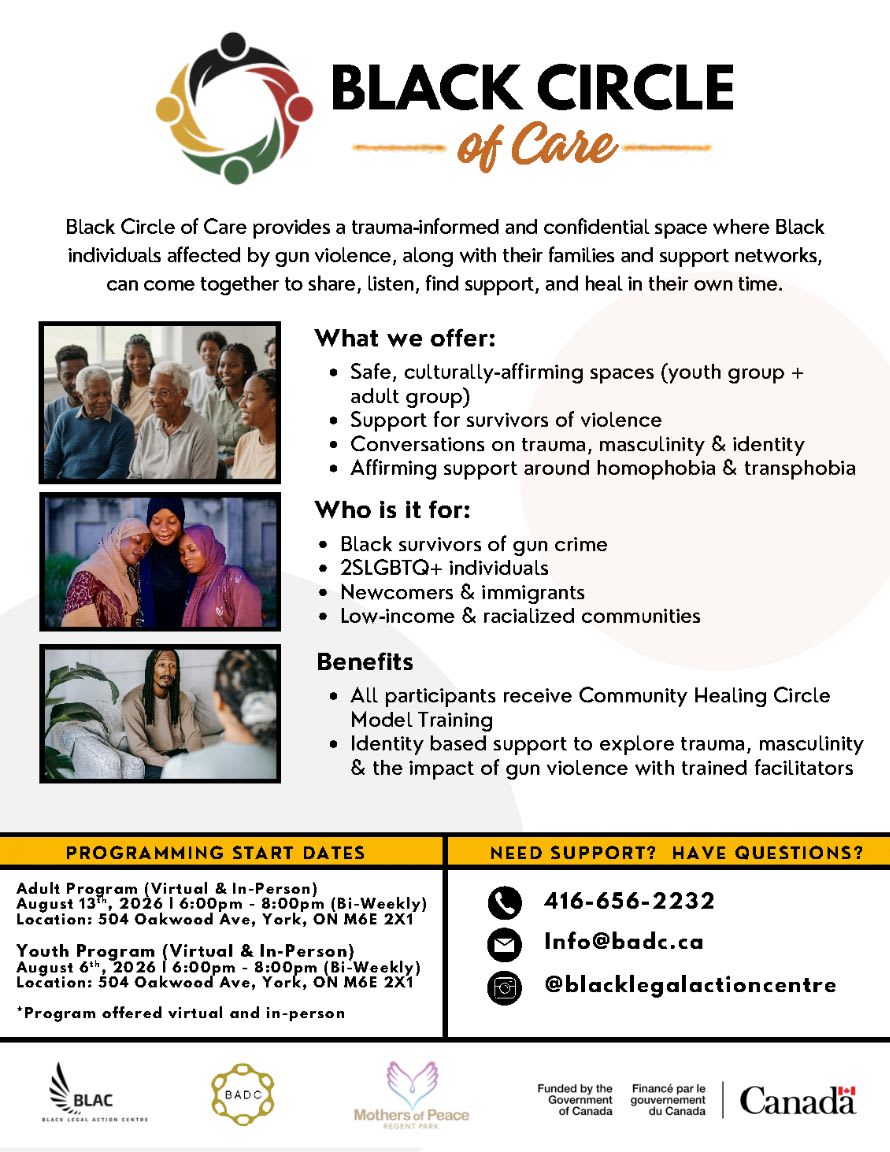 NOTICE & OPPORTUNITIES  Please feel free to share our news with your friends and family, and reach out with any questions, comments, or concerns. To learn more about our work, visit our website or follow us on social media |